

Stepping off a plane into a country you’ve never visited before is one of the most thrilling experiences a person can have. But that excitement can quickly turn into embarrassment — or worse, genuine offense — if you’re not aware of the cultural norms and nonverbal cues that shape everyday interactions in your destination. What’s perfectly polite in one country can be deeply disrespectful in another, and the differences aren’t always obvious from guidebooks.
Understanding cultural etiquette isn’t about memorizing a rulebook. It’s about showing respect, building genuine connections, and moving through the world as a thoughtful guest rather than an oblivious tourist. Whether you’re navigating a business lunch in Tokyo, bargaining at a market in Marrakech, or simply greeting a local in Brazil, the way you carry yourself speaks volumes before you even open your mouth.
Why Cultural Etiquette Matters More Than You Think
Cultural misunderstandings are far more common than most travelers realize. According to research by Expedia, nearly 30% of travelers admit to accidentally offending locals during international trips, often without realizing it in the moment. These aren’t just awkward memories — in some cases, cultural missteps can damage relationships, create safety concerns, or even result in legal trouble in countries with strict behavioral codes.
Cultural etiquette influences global communication at every level. It shapes how people express agreement, show respect, negotiate, grieve, celebrate, and even eat. When travelers ignore these unspoken rules, they risk being seen as arrogant or ignorant — even when their intentions are entirely good. Conversely, making even a small effort to understand local customs tends to be warmly received and can open doors that might otherwise remain firmly shut.
The Connection Between Etiquette and Nonverbal Communication
Anthropologist Edward T. Hall famously estimated that roughly 60 to 70 percent of all human communication is nonverbal. That figure becomes especially significant when you’re traveling internationally, because nonverbal cues — gestures, eye contact, personal space, posture, and facial expressions — are deeply culturally specific. A thumbs-up means “great” in the United States but is considered offensive in parts of the Middle East and West Africa. Nodding your head can mean “yes” in most Western countries but signals “no” in Bulgaria and parts of Greece.
These differences exist because nonverbal communication evolved within specific cultural contexts over centuries. They aren’t arbitrary — they carry real meaning for the people using them, and misreading them can lead to genuine confusion or conflict.
Key Cultural Considerations for International Travel
Before visiting any new country, it’s worth researching a few core areas that tend to vary significantly across cultures. These aren’t just nice-to-know extras — they’re practical concerns that can shape your entire experience abroad.
Greetings and Physical Contact
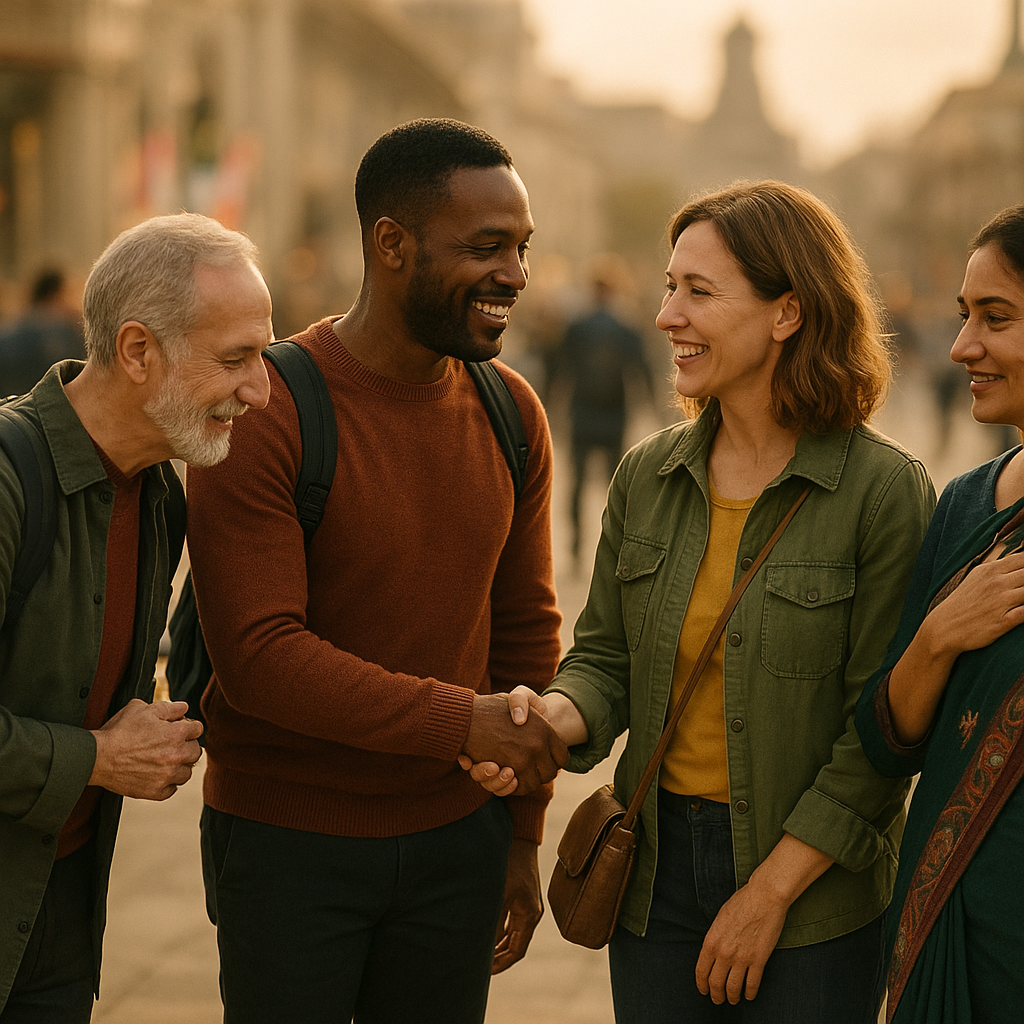
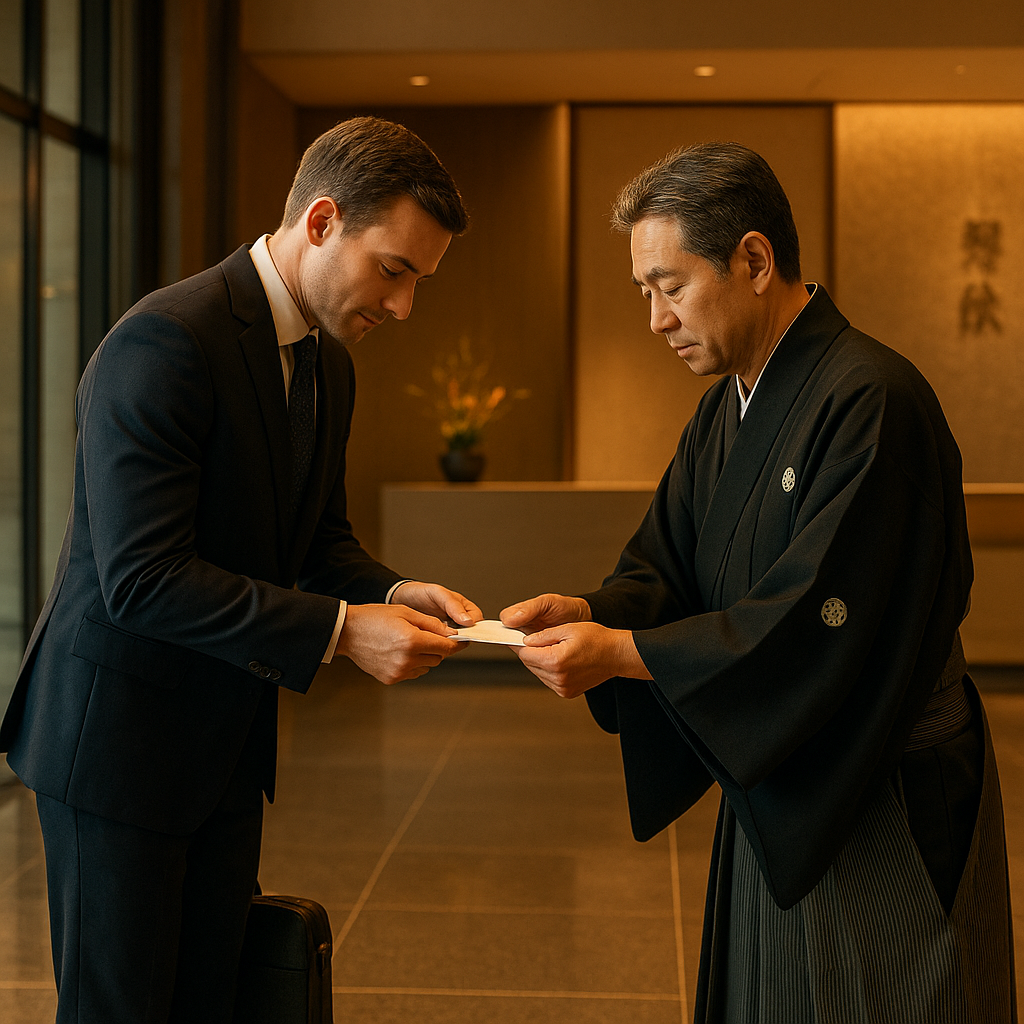
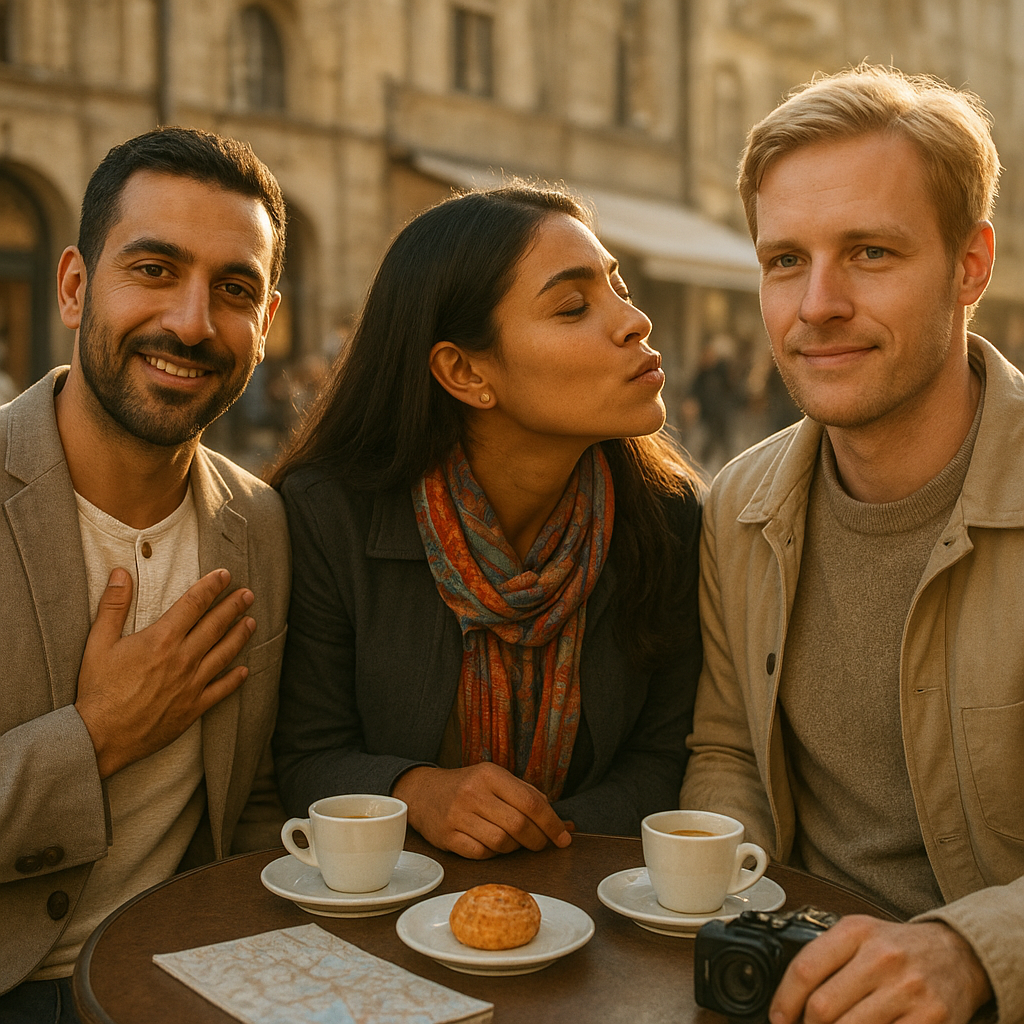
How people greet each other varies enormously around the world, and getting it wrong is one of the most common ways travelers accidentally cause offense. In Japan, bowing is the standard greeting, and the depth of the bow reflects the level of respect being shown. Attempting a handshake without reading the situation first can come across as presumptuous. In France and many parts of Southern Europe and Latin America, cheek kisses are common between acquaintances — skipping this and offering a stiff handshake can feel cold and distant.
In contrast, in many Southeast Asian and South Asian countries, physical contact between strangers — especially between men and women who aren’t related — is minimal or discouraged. In Thailand, touching someone’s head (even a child’s) is considered highly disrespectful, as the head is regarded as the most sacred part of the body.
- Japan: Bow rather than shake hands; avoid prolonged eye contact as it can feel aggressive
- Middle East: Same-gender handshakes are common; cross-gender physical contact should be avoided in conservative areas
- India: The namaste gesture (palms pressed together, slight bow) is widely appreciated and respected
- Brazil: Warm embraces and cheek kisses are standard; maintaining too much physical distance can seem unfriendly
- New Zealand (Māori culture): The hongi (pressing noses together) is a traditional greeting that carries deep cultural significance
Eye Contact and Personal Space
In the United States and much of Northern Europe, direct eye contact during conversation signals confidence and attentiveness. But in many East Asian, African, and Middle Eastern cultures, prolonged eye contact — especially with elders or authority figures — can be seen as challenging or disrespectful. Averting your gaze in these contexts is a sign of deference, not dishonesty.
Personal space — what researchers call “proxemics” — also varies dramatically. Northern Europeans and North Americans tend to prefer more personal space during conversations (roughly an arm’s length). In Latin American and Southern European cultures, people often stand much closer during casual conversation, and stepping back can be perceived as standoffish. In crowded urban areas across Asia, people are accustomed to less physical space simply out of necessity, but that doesn’t mean intimacy is welcomed from strangers.
Dress Codes and Religious Sites
One of the most practical concerns when navigating new cultures is knowing how to dress appropriately, particularly when visiting religious or traditional sites. In many mosques, temples, and churches around the world, modest dress is not just encouraged — it’s required. Women may be expected to cover their hair, shoulders, and knees. Men may need to remove hats or cover their legs. In Japan, shoes must be removed before entering many homes and some restaurants.
Even outside religious spaces, dressing modestly in conservative countries signals respect for local values. In parts of Southeast Asia, the Middle East, and rural India, wearing revealing clothing in public spaces can attract unwanted attention or even cause genuine offense. Packing a lightweight scarf or sarong is one of the simplest and most versatile ways to navigate dress code requirements on the go.
Navigating Dining Etiquette Around the World
Food is one of the most universal expressions of culture, and the way you eat can say a lot about your respect for your hosts. Table manners vary wildly across cultures, and what passes for acceptable — or even polite — in one country can be considered rude in another.
Eating Customs That Surprise Many Travelers
- China and Japan: Slurping noodles or soup is perfectly acceptable — it actually signals enjoyment of the food
- India and parts of the Middle East: Eating with your right hand is customary; the left hand is considered unclean
- Ethiopia: Sharing from a communal dish is a sign of friendship; eating from your own separate plate can seem antisocial
- Japan: Sticking chopsticks upright in a bowl of rice is associated with funeral rituals and is considered bad luck
- France: Asking for substitutions or modifications in a restaurant can be seen as an insult to the chef
- South Korea: Pouring your own drink is considered rude — you should pour for others and wait for them to pour for you
Tipping culture is another area filled with potential pitfalls. In the United States, tipping 15 to 20 percent is expected. But in Japan, tipping is considered offensive — it can imply that the server needs charity. In Iceland, tipping is uncommon. In many parts of Southeast Asia, a small tip is appreciated but not expected. Researching tipping norms before you arrive saves awkwardness and ensures your gesture of appreciation lands the way it’s intended.
How to Communicate Effectively When Traveling Internationally
Language barriers don’t have to be the obstacle they might seem. Communicating effectively while traveling internationally is less about fluency and more about attitude, adaptability, and a few smart strategies.
Learning Basic Phrases Goes a Long Way
Even a handful of words in the local language — hello, thank you, please, excuse me, sorry — can dramatically change how locals receive you. It signals effort and respect, two things that transcend language barriers entirely. Translation apps like Google Translate have made real-time communication more accessible than ever, but they work best as a supplement to cultural awareness rather than a substitute for it.
Reading the Room: Tone, Pace, and Silence
How something is said is often as important as what is said. In many East Asian cultures, communication tends to be more indirect — disagreement may be expressed through hesitation or vague language rather than an outright “no.” Recognizing these indirect communication styles prevents misunderstandings and helps travelers avoid pushing too hard in negotiations or conversations.
Silence is another culturally variable element. In Finland and Japan, silence during a conversation is comfortable and even considered a sign of thoughtfulness. In the United States or Italy, however, silence tends to feel awkward and is quickly filled. Adapting to the conversational rhythm of the people around you is one of the more subtle — and powerful — ways to show cultural intelligence.
Practical Communication Tips for International Travelers
- Download offline translation apps before departure in case of limited internet access
- Learn to recognize and mirror local greetings and farewell customs
- Speak more slowly and clearly, rather than louder, when communicating across language barriers
- Use gestures sparingly — many common Western gestures carry different meanings abroad
- Carry a small phrasebook or card with key expressions written in the local script
- Be patient and willing to laugh at yourself — humor and humility are universally understood
Local Laws and Behavioral Codes: What Travelers Often Overlook
Cultural etiquette and legal requirements aren’t always the same thing, but they frequently overlap — and the consequences of ignoring local laws can be severe. In Singapore, chewing gum in public is banned. In the UAE, public displays of affection can result in fines or arrest. In Thailand, speaking disrespectfully about the royal family (a concept known as lèse-majesté) is a criminal offense that can carry a prison sentence.
These aren’t rare edge cases. They’re examples of how deeply cultural values can be embedded in law. Checking travel advisories from sources like the U.S. Department of State or the UK Foreign Office before departure provides both safety information and important context about behavioral expectations in your destination country.
Approaching Cultural Differences With Genuine Curiosity
Perhaps the single most effective piece of advice for any international traveler is simply this: approach cultural differences with curiosity rather than judgment. The instinct to compare everything to “back home” is natural, but it can cloud your ability to appreciate a culture on its own terms.
Asking respectful questions, observing before participating, and acknowledging when you’ve made a mistake with grace and humor are qualities that transcend every cultural boundary. People everywhere tend to respond warmly to travelers who show genuine interest in their way of life — even if that interest comes with the occasional cultural stumble.
Bringing It All Together
Cultural etiquette and nonverbal communication are not just travel tips — they’re the foundation of meaningful international experiences. From the way you greet someone to how you behave at the dinner table or dress when visiting a sacred site, every small action communicates something about who you are and how much you respect the culture you’re visiting.
The key takeaways are straightforward: research basic customs before you arrive, pay attention to nonverbal cues in your environment, learn a few words in the local language, dress appropriately for the context, and approach every new experience with genuine openness. Understanding that communication is largely nonverbal — and that those nonverbal cues carry different meanings in different cultures — is one of the most important shifts a traveler can make.
Cultural intelligence isn’t something you acquire once and carry with you forever. It grows with every trip, every conversation, and every moment you choose curiosity over assumption. The world rewards travelers who make that choice generously.