
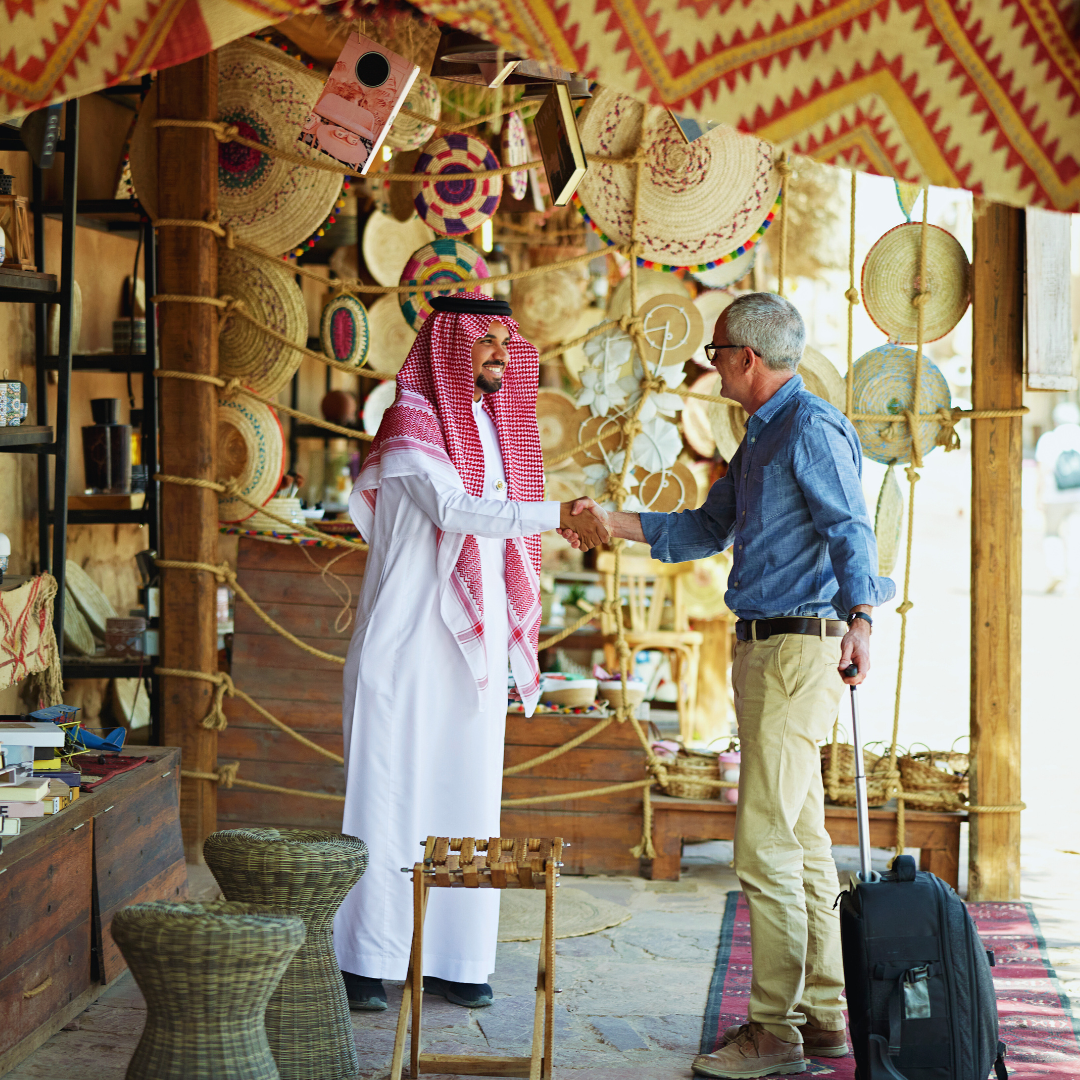

Connecting with locals while traveling abroad enriches the experience by offering authentic insights and deeper cultural understanding. The most effective way to connect is by showing genuine interest, respecting local customs, and engaging in everyday activities alongside residents.
Simple actions like learning key phrases in the local language or visiting community markets can break down barriers quickly. This approach often leads to meaningful conversations and friendships that typical tourist experiences rarely provide.
Travelers who prioritize local connections tend to gain perspectives that go beyond guidebooks. It creates a travel experience that is both immersive and memorable.
Best Ways to Connect with Locals Abroad
Meaningful interactions often come from shared experiences, community involvement, and genuine contribution. Engaging with people through events, lodging choices, or volunteer work can deepen understanding and build trust.
Joining Local Events and Meetups
Attending local events is an effective way to meet residents interested in socializing and sharing culture. Festivals, markets, and workshops offer chances to observe customs and engage directly.
Using platforms like Meetup or Facebook Events helps identify gatherings aligned with personal interests, such as language exchanges or hobby groups. Showing curiosity and respect encourages conversations and opens doors to longer-term connections.
When at events, active listening and asking thoughtful questions demonstrate engagement. Avoid rushing; spending time in smaller group activities allows people to warm up naturally.
Staying in Community-Oriented Accommodations
Choosing accommodations like hostels, family-run guesthouses, or homestays increases the chance to encounter locals daily. These places often encourage interaction between guests and hosts through shared spaces or organized activities.
Homestays allow travelers to experience local routines, meals, and conversations in a private setting. Hosts can recommend hidden gems or involve visitors in neighborhood traditions.
Hostels often host group outings or communal dinners, where casual conversations arise effortlessly. Selecting lodgings with positive reviews about the social atmosphere ensures better chances of integration.
Participating in Volunteer Programs
Volunteer programs connect travelers with local communities through purposeful work. Opportunities vary from teaching English to environmental projects or helping at community centers.
This participation fosters trust and appreciation, as locals see visitors contribute time and effort rather than just consume resources. It also provides context for local challenges and perspectives absent from typical tourism.
Choosing reputable programs with clear goals and ethical practices is crucial. Preparation and cultural sensitivity maximize the experience’s positive impact for both parties involved.
Effective Communication Strategies
Connecting with locals often depends on clear and respectful communication. Travelers should be ready to navigate language differences and leverage digital tools to enhance their interactions.
Overcoming Language Barriers
Learning a few basic phrases in the local language can significantly improve communication. Simple greetings, expressions of thanks, and common questions show respect and openness.
Non-verbal cues such as gestures, facial expressions, and body language also play a key role. Pointing to objects or using hand signals can clarify meaning when words fail.
Travelers should be patient and listen actively, allowing locals time to express themselves. Avoid speaking loudly or slowly, which can come across as condescending.
Carrying a small phrasebook or using translation cards can be helpful in conversational exchange. These tools offer quick references without interrupting the flow of conversation.
Using Technology and Social Platforms
Smartphones and apps are valuable resources for overcoming language and cultural gaps. Translation apps like Google Translate offer real-time text and voice translation, facilitating smoother conversations.
Social platforms such as local forums and Facebook groups enable travelers to connect with residents before and during their trip. These networks provide opportunities to ask questions and find social events.
Using location-based apps to join meetups or local interest groups can deepen cultural exchange. These platforms often include user reviews and safety information, adding convenience and confidence.
Maintaining an offline backup, like downloaded maps or phrasebooks on the phone, ensures communication options when internet access is limited.
Cultural Sensitivity and Building Trust
Connecting with locals requires understanding their traditions and showing respect for their values. Trust grows when travelers approach interactions with openness and a sincere interest in the local way of life.
Respecting Local Customs and Etiquette
Travelers should research local customs before arrival, including greetings, dress codes, and communication styles. For example, in many Asian countries, removing shoes indoors is expected, while eye contact might be less direct than in Western cultures.
Small actions like using polite phrases in the local language or adhering to dining etiquette can prevent misunderstandings. Avoiding sensitive topics such as politics or religion also helps maintain a positive atmosphere. Paying attention to nonverbal cues, such as personal space and gestures, is essential to avoid offense.
Establishing Genuine Relationships
Building trust involves more than politeness; it means demonstrating consistent respect and authentic curiosity. Locals often appreciate it when travelers ask about their daily lives, traditions, and opinions without rushing or imposing.
Sharing stories and listening actively fosters mutual respect. Following up on conversations in later meetings shows interest beyond superficial encounters. Trust forms gradually through patience, reliability, and honest communication, rather than quick attempts at friendship.