
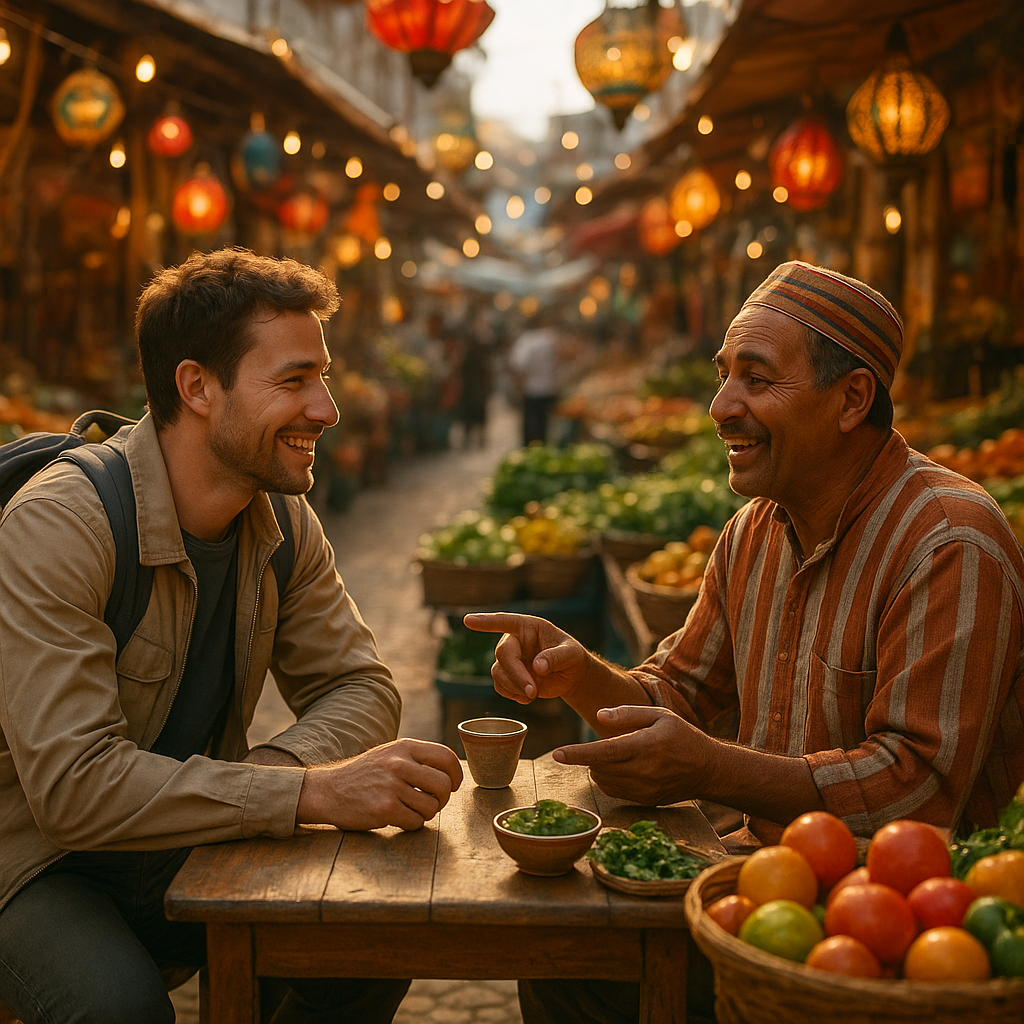

There’s a moment every traveler knows — standing in a foreign market, surrounded by sounds and smells and faces that feel both thrilling and impenetrable. You can photograph it, taste it, even feel it on your skin. But without the language, something remains just out of reach. That invisible barrier between observer and participant is exactly what language learning has the power to dissolve.
Cultural immersion is one of the most powerful reasons people travel. But true immersion — the kind that leaves you genuinely changed — goes far deeper than eating local food or attending a festival. It lives in conversations with strangers, in understanding a joke, in reading the emotion behind someone’s words. And that kind of connection is almost impossible without at least some grasp of the local language.
This isn’t about becoming fluent before you board a plane. It’s about understanding why language and culture are so deeply intertwined — and how even modest language learning can transform the way you experience a place.
Language Is the Gateway to Culture, Not Just Communication
Most people think of language as a tool — something you use to order food or ask for directions. And sure, it does that. But language is also a living record of how a culture thinks, values, and sees the world. Every idiom, every grammatical structure, every untranslatable word is a window into the worldview of the people who speak it.
Consider the Japanese concept of ma — the meaningful pause or empty space between things. There’s no single English word for it. Or the Portuguese saudade, a deep emotional longing for something or someone you love that may be lost. These words don’t just describe feelings; they reveal that entire communities have organized their inner lives around experiences that other languages haven’t even named.
When linguist Benjamin Lee Whorf proposed that language shapes the way we think — a theory now known as the Sapir-Whorf hypothesis — he was touching on something travelers intuitively feel. The language you speak influences what you notice, what you value, and how you interpret the world around you.
Learning even the basics of a local language means you’re not just communicating — you’re beginning to see through a different lens. That shift in perspective is the very heart of cultural immersion.
What the Research Says About Language and Cultural Connection
The relationship between language learning and cultural understanding is well-documented. Studies consistently show that language learners develop greater empathy, cultural sensitivity, and open-mindedness than non-learners. A growing body of research from bilingual education programs shows that students who learn in two languages demonstrate stronger cognitive flexibility and a more nuanced understanding of other cultures.
According to the American Council on the Teaching of Foreign Languages (ACTFL), language learning fosters cultural awareness by helping learners recognize that there are multiple ways of viewing the world. This isn’t a soft, feel-good outcome — it’s a measurable shift in how people process and respond to difference.
For travelers specifically, research supports something most seasoned globetrotters already know: the deeper your language skills, the richer your experience. People who speak even a conversational level of a local language report more meaningful interactions, deeper friendships formed on the road, and a greater sense of belonging in places they visit.
Does Immersion Actually Help You Learn a Language Faster?
This is one of the most commonly asked questions about language learning and travel. The short answer is: yes, but only under the right conditions.

Immersion works when it’s active. Simply being surrounded by a language — hearing it on the street, seeing it on signs — won’t teach you much on its own. What accelerates learning is engaged immersion: intentionally interacting with locals, watching local TV without subtitles, reading menus and newspapers, and pushing through the discomfort of not understanding.
Research from language acquisition studies suggests that comprehensible input — material that’s just slightly above your current level — is one of the most effective ways to build fluency. Travel provides an almost unlimited supply of this, making it an ideal environment for language growth. The key is showing up willing to try and willing to fail.
How Language Learning Transforms the Travel Experience
It’s one thing to read about language and culture in the abstract. It’s another to feel it play out in real life. Here’s how even basic language skills change the actual texture of traveling:
- Locals treat you differently. When you make an effort — even a clumsy, imperfect effort — to speak someone’s language, it signals respect. People open up. They become guides, storytellers, hosts rather than service workers. The transactional becomes personal.
- You access places tourists rarely go. The best experiences in any city are rarely listed in guidebooks. They’re shared through word of mouth, through conversations at bus stops and family-run restaurants. Language is the key that opens those doors.
- Humor, warmth, and personality emerge. So much of what makes people interesting — their wit, their irony, their tenderness — gets lost in translation. Understanding a joke in someone’s native language is one of the most connecting experiences travel offers.
- You develop a more accurate picture of the culture. Media, tourism marketing, and stereotypes all shape how we imagine a place before we arrive. Language learning dismantles those preconceptions, replacing them with something more human and complex.
- Travel becomes less stressful. Navigating delays, health issues, or unexpected situations is dramatically easier when you can communicate directly, rather than through gestures and translation apps.
You Don’t Need to Be Fluent to Benefit
One of the biggest misconceptions about language learning and travel is that it’s only worth doing if you’re going to become fluent. This idea stops countless people from even trying. In reality, the benefits start almost immediately — even a handful of phrases can shift the entire dynamic of your travels.
Learning to say hello, thank you, please, and excuse me in a local language might seem trivial, but the message it sends is profound. It communicates humility, curiosity, and genuine respect. These are the qualities that invite real human connection.
Think of language learning as a spectrum. At one end, you have basic courtesies. A little further along, you can order food, ask for directions, and make small talk. Further still, you can follow conversations, understand cultural references, and express nuance. Every step along that spectrum unlocks a new layer of the culture you’re exploring.
Practical Ways to Start Learning Before You Travel
The best time to start learning a language for travel is before you go. Even a few weeks of dedicated practice creates a foundation that makes immersion far more effective once you arrive. Here are some genuinely useful approaches:
- Use spaced repetition apps strategically. Apps like Anki or Duolingo are excellent for building vocabulary, but they work best when you focus on high-frequency words and travel-specific phrases rather than trying to cover everything.
- Watch films and TV in the target language. Start with subtitles in English, then switch to subtitles in the target language, then try without subtitles. This builds listening comprehension in a way that feels natural rather than like studying.
- Find a language exchange partner. Platforms like Tandem or HelloTalk connect you with native speakers who want to learn your language. You help each other. It’s free, effective, and often results in genuine friendships.
- Learn the script first if it’s different. If you’re traveling to Japan, Greece, or Russia, learning to read the alphabet or script before you go is one of the highest-return investments you can make. Being able to sound out words — even without knowing what they mean — is enormously helpful on the ground.
- Focus on listening, not just speaking. Many language learners practice output (speaking) but neglect input (listening). In real-world immersion, comprehension is what you’ll rely on most heavily.
Cultural Nuances That Only Language Reveals
There are things about a culture that simply cannot be understood from the outside. The formality encoded in pronoun systems — the difference between tu and vous in French, or tú and usted in Spanish — tells you something about power, respect, and social distance that no guidebook can fully convey. Understanding when to use which form isn’t just a grammatical choice; it’s a cultural statement. These kinds of unspoken rules across different cultures run far deeper than most travelers realize until they’re already in the middle of a conversation.
Similarly, the way different languages handle time, obligation, and politeness reveals deep cultural values. In many Asian languages, the level of formality in speech changes depending on the relative age and status of the people speaking. Navigating this — or even just being aware of it — transforms how you interpret interactions and relate to people.
Food, too, takes on new meaning through language. Learning the proper names of dishes, understanding what ingredients are being described, or knowing the cultural significance of a particular meal tradition connects you to history and place in a way that simply eating never could.
Is It Disrespectful to Travel Without Learning the Language?
This is a question that comes up often in travel communities, and it deserves a thoughtful answer. No — it’s not inherently disrespectful to travel without learning a language. Many people travel to destinations where multiple languages are spoken, where English is widely used, or where they’re visiting only briefly. The world doesn’t require fluency for movement.
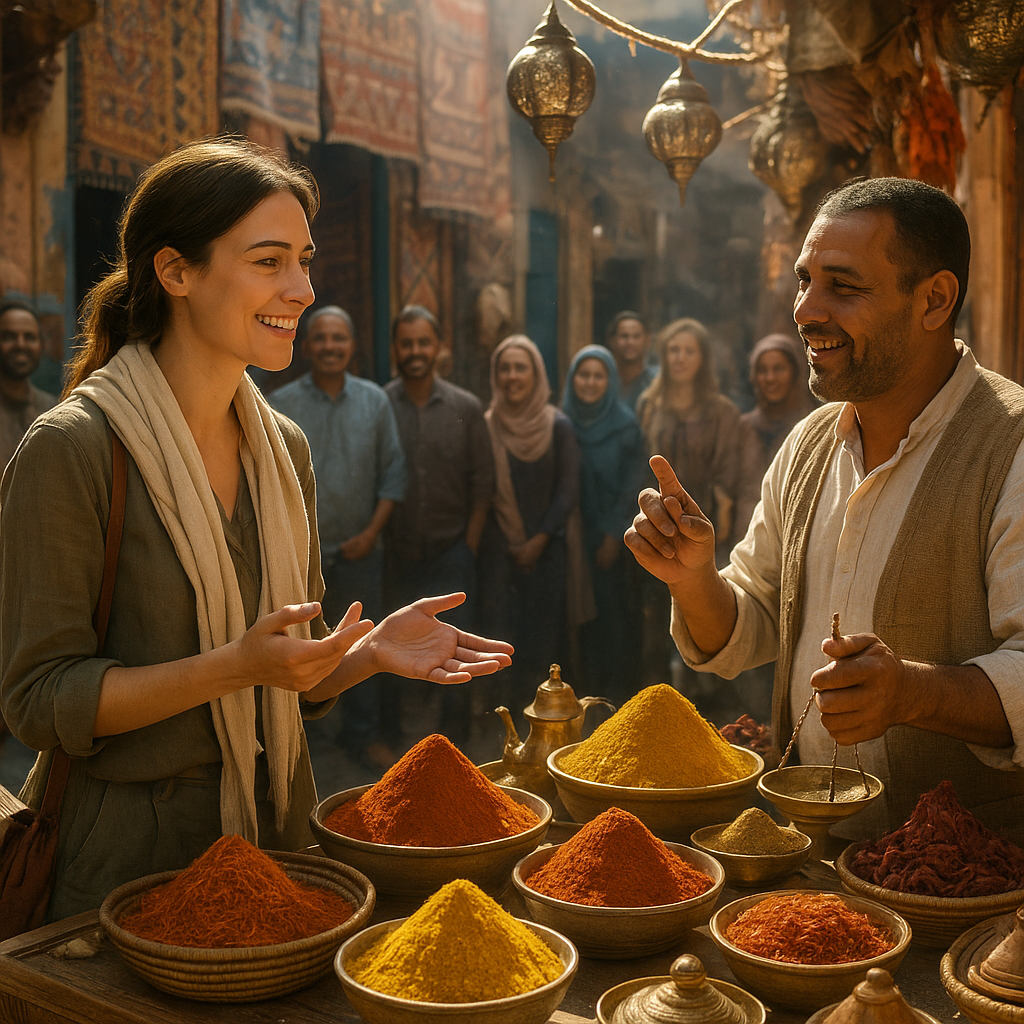
However, there’s a meaningful difference between not having the opportunity to learn and not making any effort at all. Arriving in a country with zero interest in its language or culture — treating it purely as a backdrop for photos or consumption — does miss something important. It’s not a moral failing, but it is a missed opportunity, both for depth of experience and for genuine connection with the people who call that place home.
The travelers who tend to feel most transformed by their experiences are those who approach new cultures with curiosity and humility. Language learning is one of the clearest expressions of both. This is also why slowing down the pace of travel can make such a difference — it creates the space to actually practice a language rather than just passing through.
The Long-Term Benefits of Combining Travel with Language Learning
The effects of language learning don’t stay in the destination. They come home with you. Research on bilingualism and multilingualism consistently shows cognitive benefits including improved memory, enhanced problem-solving abilities, and greater mental flexibility. The process of learning a language — wrestling with grammar, building vocabulary, navigating miscommunication — exercises the brain in ways that carry over into all areas of life.
Beyond the cognitive, there are profound personal benefits. Speaking another language, even imperfectly, is an act of courage. It requires vulnerability — putting yourself in a position where you might be misunderstood, where you sound like a child, where you have to ask for help. That practice in vulnerability and resilience shapes travelers in lasting ways.
And perhaps most meaningfully, language learning builds a kind of global empathy. When you’ve struggled to express yourself in a language that isn’t your own, you develop patience and compassion for others in the same position. That shift in perspective doesn’t fade when you land back home.
Bringing It All Together
Language and culture are not separate things. One grows inside the other, shapes it, and is shaped by it in return. For travelers who want more than a highlight reel — who want to understand a place rather than just visit it — language learning is one of the most powerful tools available.
It doesn’t require years of study or near-native fluency. It requires curiosity, willingness to look foolish, and a genuine interest in the people behind the culture. Even a small investment in language before and during travel pays dividends in richer conversations, deeper connections, and a more honest experience of the world.
The traveler who tries to speak the language — however imperfectly — is the one who gets invited to the family dinner, who learns the story behind the monument, who understands the song being played at the local bar. That’s the traveler who comes home genuinely changed.
And ultimately, that’s what cultural immersion is really for.