
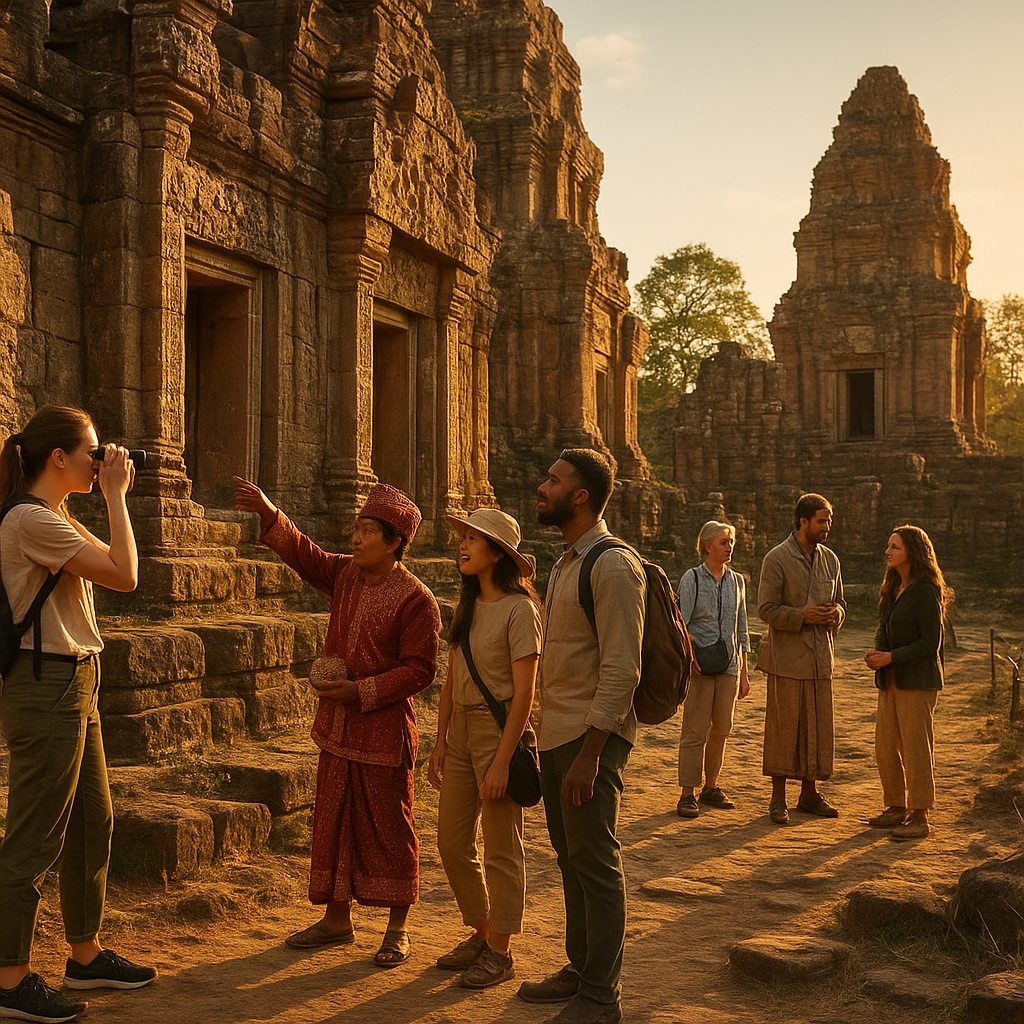

Walk through the ancient streets of Kyoto, stand inside the towering walls of a medieval European castle, or trace your fingers along the carvings of a Mayan temple — and you’ll feel something that no museum exhibit can fully replicate. That feeling is heritage tourism at work, and it’s quietly becoming one of the most powerful forces in cultural preservation today.
Heritage tourism — travel motivated by experiencing the history, culture, and traditions of a place — has grown from a niche interest into a mainstream travel movement. According to the World Tourism Organization, cultural and heritage tourism accounts for roughly 40% of all international tourism, generating billions of dollars annually. But beyond the economics, something more meaningful is happening: the act of visiting historical places is directly funding their survival, and in many cases, it’s the only reason they still exist at all.
This relationship between travel and preservation is more complex than it first appears. It involves governments, local communities, international organizations, and millions of individual travelers whose footsteps — quite literally — shape the future of human history.
What Is Heritage Tourism, Exactly?
Before diving into the impact, it’s worth clarifying what heritage tourism actually covers. The term is broader than most people assume. It includes:
- Archaeological sites — ancient ruins, burial grounds, and excavation sites
- Historic buildings and districts — cathedrals, palaces, colonial towns, and industrial landmarks
- Living cultural heritage — traditional festivals, crafts, music, cuisine, and ceremonies
- Natural heritage — landscapes and environments that carry cultural or spiritual significance
- Museums and cultural institutions — spaces that preserve and interpret the past for contemporary audiences
The National Trust for Historic Preservation defines heritage tourism as “traveling to experience the places, artifacts, and activities that authentically represent the stories and people of the past and present.” That phrase — “authentically represent” — is key, and it’s where the conversation about preservation gets genuinely interesting.
How Tourism Revenue Funds Preservation Efforts
The most direct way heritage tourism supports cultural preservation is through money. Maintaining a 500-year-old stone fortress or restoring a crumbling fresco isn’t cheap, and government budgets rarely stretch far enough to cover the full cost. Tourism revenue fills that gap in several important ways.
Entry Fees and Site Management
Many of the world’s most visited heritage sites charge entry fees that go directly toward conservation work. At Angkor Wat in Cambodia, for example, the Apsara National Authority manages conservation projects funded substantially through tourism revenue — a site that receives well over two million visitors annually. Without that income stream, systematic restoration of the temple complex would be nearly impossible to sustain.
Similarly, the Colosseum in Rome generates tens of millions of euros per year in ticket sales, much of which supports ongoing structural assessments and restoration programs. A major restoration of the Colosseum’s facade completed in 2016 was actually sponsored through a public-private partnership involving tourism-related businesses — an increasingly common model for heritage site funding.
Community-Based Economic Incentives
Perhaps more importantly, heritage tourism creates economic incentives for local communities to protect their cultural assets rather than abandon or destroy them. When traditional crafts, architecture, or rituals become economically valuable to tourists, local people have a concrete reason to maintain them.
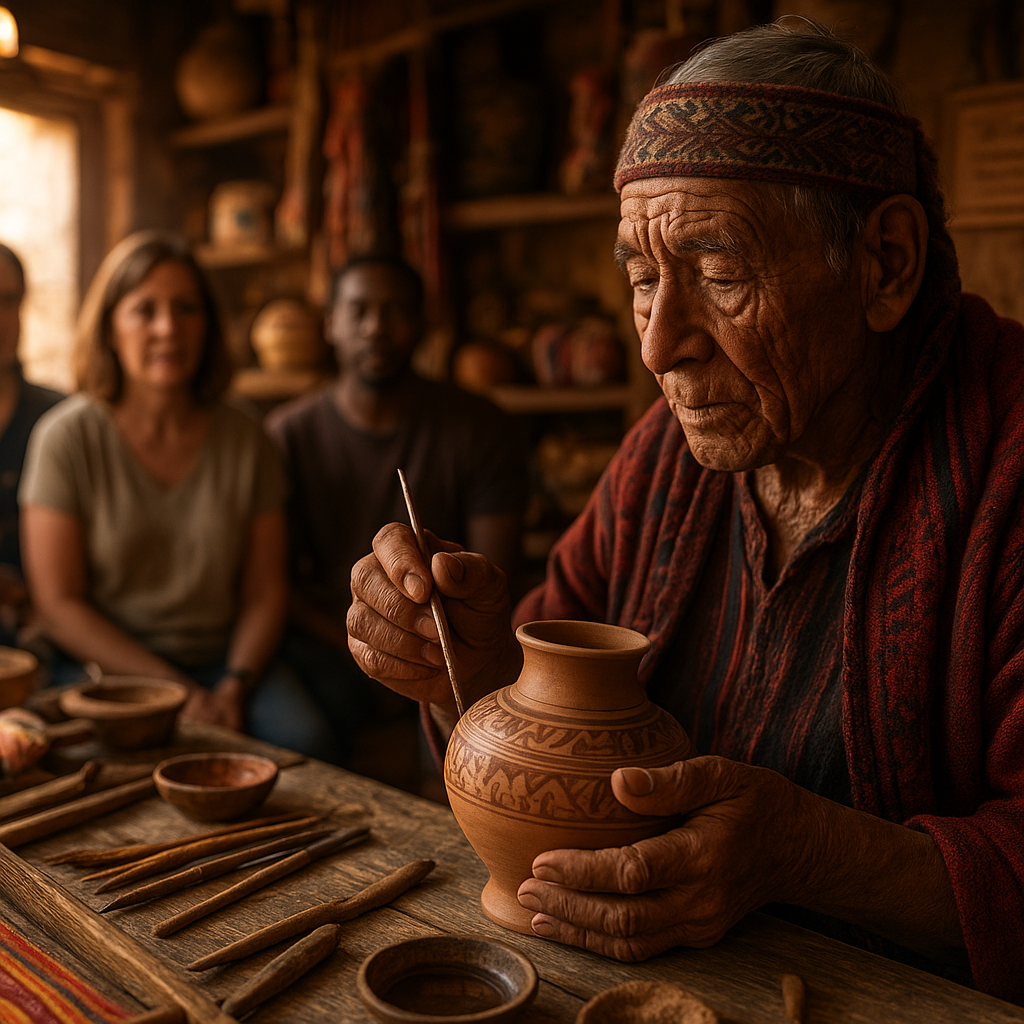
In Oaxaca, Mexico, the revitalization of traditional textile weaving and pottery traditions has been strongly linked to cultural tourism. Artisans who once faced pressure to urbanize and modernize found new income streams in tourism, which in turn motivated younger generations to learn ancestral skills. The result is a living craft tradition that might otherwise have disappeared within a generation.
UNESCO and the Global Framework for Heritage Protection
No conversation about heritage tourism and preservation is complete without mentioning UNESCO’s World Heritage program. Since 1972, UNESCO has been designating sites of “outstanding universal value” and supporting their protection through international cooperation. As of recent counts, there are over 1,100 UNESCO World Heritage Sites across more than 160 countries.
The UNESCO designation itself has a fascinating relationship with tourism. Being listed tends to dramatically increase visitor numbers — studies have shown visitor increases of anywhere from 15% to over 100% following a UNESCO designation. This surge in tourism brings both opportunity and risk.
Seven Notable UNESCO Preservation Successes
UNESCO’s track record includes some remarkable preservation victories that heritage tourism has played a role in sustaining:
- Venice, Italy — Ongoing campaigns to manage overtourism while funding restoration of its unique lagoon architecture
- Petra, Jordan — Tourism revenue supporting archaeological research and structural stabilization
- The Great Wall of China — Restoration projects at key sections funded significantly through tourism
- Machu Picchu, Peru — Visitor fees supporting both site management and surrounding community development
- The Historic Centre of Prague — Tourism enabling continuous restoration of Baroque and Gothic architecture
- Uluru-Kata Tjuta, Australia — A model integrating Indigenous cultural heritage management with tourism practices
- The Old City of Dubrovnik, Croatia — Post-war reconstruction and ongoing maintenance driven partly by tourism income
Why Cultural Preservation Matters Beyond Nostalgia
It’s easy to view heritage preservation as a kind of collective nostalgia — the desire to keep old things around because they’re old. But the reasons cultural preservation matters run much deeper than sentiment.
Cultural heritage is fundamentally about identity and continuity. For communities whose histories have been disrupted by colonialism, conflict, or displacement, preserved heritage sites and traditions serve as living connections to ancestry and community identity. The preservation of the Robben Island prison complex in South Africa, for instance, isn’t about celebrating the past — it’s about maintaining a critical record of apartheid’s brutality as a foundation for continued social justice work.
There’s also the matter of knowledge preservation. Many traditional practices carry embedded knowledge about agriculture, medicine, ecology, and sustainable living that modern science is only beginning to appreciate. The loss of traditional farming techniques in places like the Peruvian Andes or the terraced rice paddies of Southeast Asia would mean the loss of sophisticated, climate-adapted agricultural knowledge built over centuries.
And practically speaking, heritage sites represent irreplaceable assets. Unlike a modern building that can be reconstructed, a 3,000-year-old temple destroyed by neglect, conflict, or overtourism is gone forever. The economic and cultural cost of that loss cannot be calculated.
The Risks: When Tourism Threatens What It Claims to Protect
Heritage tourism is not without its contradictions. The same forces that fund preservation can also accelerate degradation — a tension that destination managers and conservationists wrestle with constantly.
Physical Wear and Overtourism
Mass tourism creates real physical damage. The caves of Lascaux in France, home to some of the world’s most spectacular prehistoric paintings, were closed to the public in 1963 after just 15 years of tourist access caused mold and algae growth that threatened the 17,000-year-old artwork. A replica cave has since been opened nearby — a model that other sites are increasingly considering.
Similarly, the stone steps of Machu Picchu show measurable erosion from foot traffic, and authorities have implemented timed entry systems and visitor caps to slow the damage. Venice regularly debates drastic measures to manage the 25+ million annual visitors whose presence strains its fragile infrastructure.
Cultural Commodification
There’s also the subtler risk of cultural commodification — the transformation of living cultural practices into performances staged for tourist consumption. When a sacred ceremony becomes a ticketed spectacle, or when traditional crafts are mass-produced in overseas factories and sold as “authentic” local goods, the cultural heritage being “preserved” becomes something of a hollow reproduction.
Responsible heritage tourism grapples seriously with this risk, often by centering community ownership and ensuring that local people control how their culture is presented and who profits from it.
Sustainable Heritage Tourism: Finding the Balance
The emerging model for heritage tourism increasingly prioritizes sustainability — both environmental and cultural. This approach involves several principles that distinguish it from conventional mass tourism.
Carrying Capacity and Visitor Management
Sites around the world are implementing carrying capacity limits — the maximum number of visitors a site can accommodate without sustaining damage. Bhutan famously charges a substantial daily tourism fee precisely to limit visitor numbers and ensure that each tourist contributes meaningfully to conservation rather than simply adding to the crowd.
Community Involvement in Tourism Planning
Sustainable heritage tourism puts local communities at the center of decision-making. Rather than having tourism imposed on communities by outside operators, the most successful models involve community members as guides, operators, and decision-makers who determine what is shared with visitors and how.
The Indigenous-led tourism experiences emerging across Canada, Australia, and New Zealand are strong examples of this model. In these programs, First Nations and Aboriginal communities control the narrative entirely, sharing selected cultural knowledge on their own terms while generating income that directly supports community priorities.
Educational Tourism and Conscious Travelers
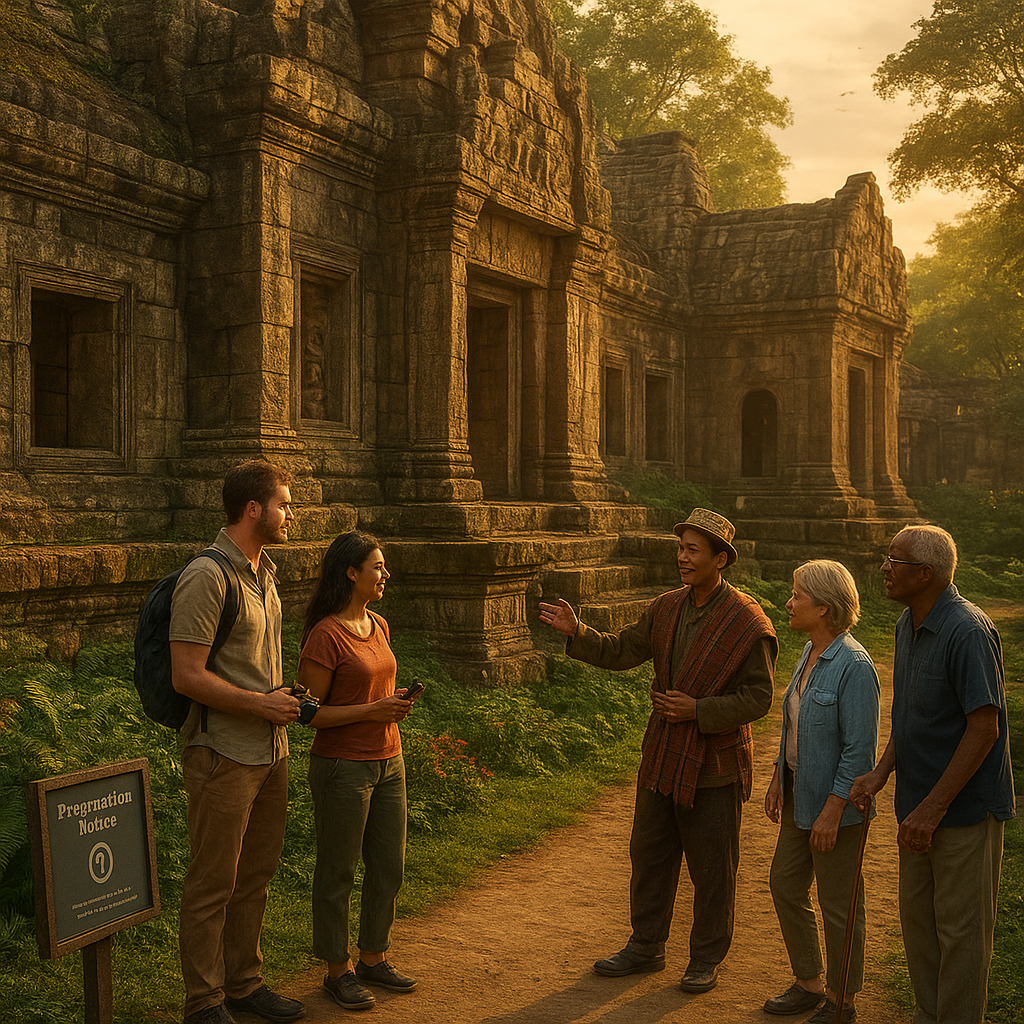
There’s also a growing movement toward educational heritage tourism, where travelers engage deeply with sites through guided learning experiences rather than passive sightseeing. Tours led by archaeologists, historians, and community elders tend to foster greater respect and understanding — and visitors who understand the fragility and significance of what they’re seeing are more likely to support its preservation through donations, advocacy, or simply more careful behavior on-site.
The Cultural Impacts of Tourism: A Two-Way Exchange
The cultural impacts of tourism flow in both directions. While tourism can help preserve local cultures, exposure to tourists also inevitably influences those cultures. Languages shift, dietary habits change, architectural styles modernize. This is neither entirely good nor entirely bad — cultures have always evolved through contact with other peoples and ideas.
The crucial distinction is between voluntary cultural evolution and cultural erosion driven by economic pressure or external imposition. Heritage tourism at its best creates conditions where communities can engage with the world on their own terms, benefiting economically without surrendering control of their identity.
Practical Ways Travelers Can Support Cultural Preservation
Individual travelers have more influence over heritage preservation than they often realize. Small choices add up significantly:
- Pay entry fees and avoid unofficial access — even when it’s technically possible to slip in without paying, those fees matter
- Hire local guides — not only does this keep money in the community, but local guides offer cultural context that outside operators rarely can
- Buy directly from artisans — research what authentic local crafts look like and purchase them directly from makers
- Respect site rules — photography restrictions, no-touch policies, and designated pathways exist for good reason
- Travel in the off-season when possible — distributing visitor traffic more evenly throughout the year reduces peak-season strain on fragile sites
- Support conservation organizations — many UNESCO sites and national heritage programs accept direct donations from visitors; there are also broader ways to support local communities while traveling that go beyond heritage sites alone
Conclusion
Heritage tourism sits at a genuinely fascinating crossroads between commerce and culture, between preservation and accessibility, between the needs of the present and the responsibilities we carry toward the past. When it works well, it creates a virtuous cycle: travelers are enriched by authentic cultural experiences, communities gain sustainable economic benefits, and the funds generated ensure that irreplaceable sites and traditions survive for future generations.
When it goes wrong — through overtourism, commodification, or exclusion of local communities — it can accelerate the very destruction it claims to prevent. The difference between those two outcomes lies largely in how tourism is planned, managed, and approached by everyone involved, from policy-makers setting carrying capacity limits to individual travelers making daily choices on the ground.
What’s clear is that the relationship between tourism and cultural preservation is not incidental — it is structural and growing stronger. As more travelers seek meaningful, immersive experiences over passive sightseeing, the incentives for genuine cultural stewardship continue to align. The ancient temples, living traditions, and historic districts that define human civilization have a fighting chance, partly because so many people around the world want to see them — and are willing to help pay for their survival.