

Being a respectful guest in sacred spaces requires understanding the traditions and rules specific to each place. Respect is shown through attentive behavior, appropriate dress, and honoring the customs observed by the community.
Guests should remain quiet or speak softly, avoid disruptive actions, and follow any guidelines set by caretakers or local practitioners. Taking the time to learn about the space beforehand helps prevent misunderstandings and shows genuine respect.
Observing these practices not only honors the sacred site but also deepens personal appreciation for its cultural and spiritual significance. Thoughtful actions contribute to preserving the integrity of these important places for everyone.
Fundamental Principles Of Being A Respectful Guest
Respecting sacred spaces requires understanding their importance, preparing appropriately, and approaching with cultural sensitivity. These actions ensure that visitors honor the values and traditions tied to these locations.
Understanding The Significance Of Sacred Spaces
Sacred spaces often hold deep spiritual, historical, or cultural meaning for communities. Visitors should recognize that these places are not merely aesthetic sites but living centers of reverence and practice.
Interrupting rituals, making loud noises, or disregarding guidelines can disrupt the integrity of these spaces. It is important to learn about the specific beliefs and customs associated with each site before entering. Doing so demonstrates respect and appreciation for the space’s role in community life.
Mindful Preparation Before Your Visit
Preparation involves researching rules related to dress code, photography, and behavior. Many sacred spaces require modest attire or the removal of shoes. Visitors should also check visiting hours and any restrictions on group sizes or guided tours.
It helps to understand the appropriate etiquette, such as when to remain silent or how to behave during ceremonies. Bringing respectful gifts or donations may also be customary in some locations. Preparation signals genuine respect and helps avoid unintentional offense.
Cultural Sensitivity And Open-Mindedness
Cultural sensitivity means accepting customs that may differ from one’s own without judgment. Visitors should listen carefully, follow instructions, and avoid imposing their own beliefs.
Asking permission before taking photos or participating in rituals is essential. They should also be aware that some practices may feel unfamiliar or challenging but are integral to the community’s identity. Maintaining an open mind fosters mutual respect in all interactions within sacred spaces.
Essential Etiquette In Sacred Spaces
Visitors must observe specific behaviors to maintain respect within sacred spaces. This involves understanding dress codes, conduct expectations, participation in rituals, and rules about photography.
Appropriate Dress And Attire
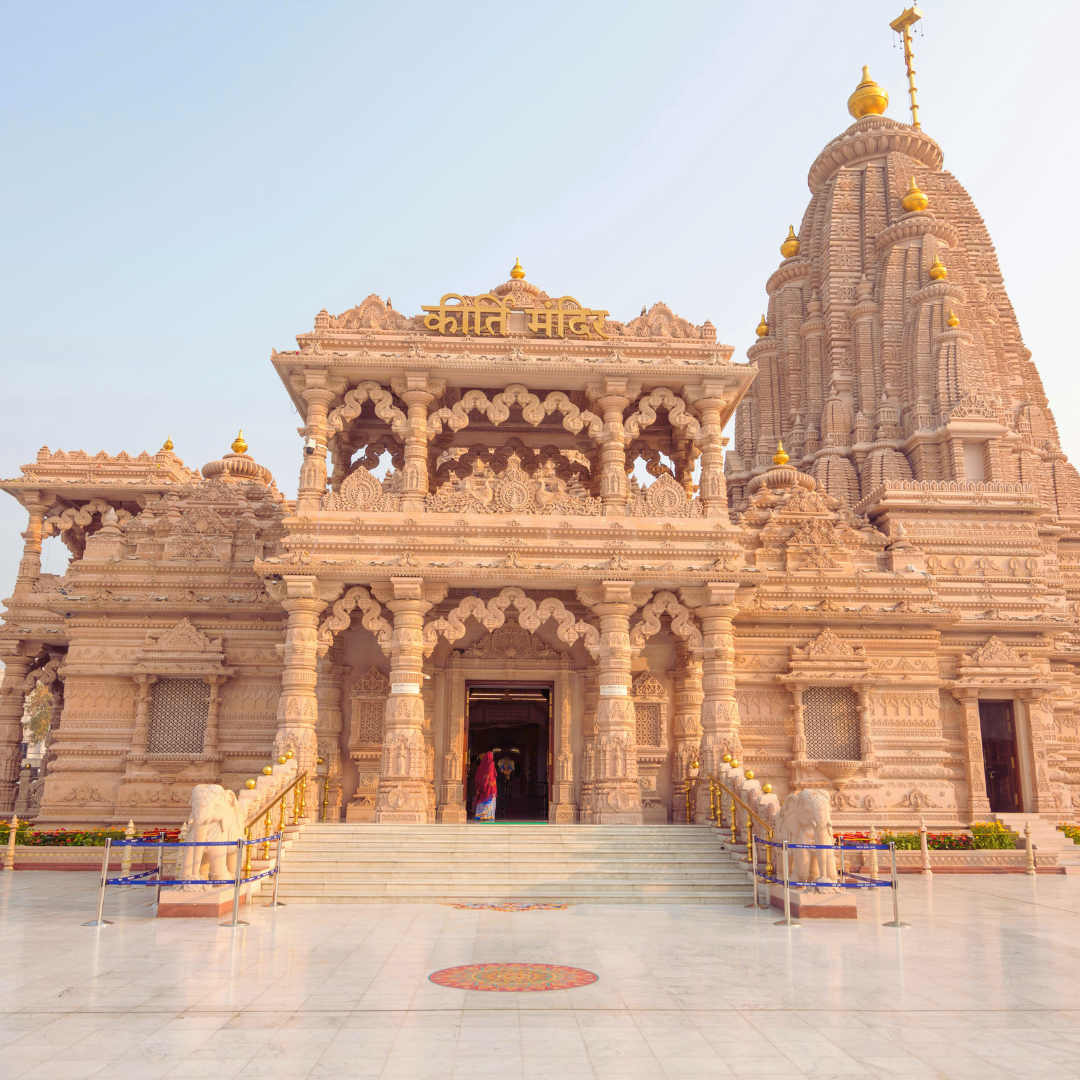
Wearing modest clothing is essential in most sacred spaces. In Hindu temples, for example, men often wear a dhoti, a traditional cloth wrapped around the waist, and women may wear sarees or covered attire.
Shoes are typically removed before entering. Visitors should avoid tight or revealing clothing and opt for natural, clean fabrics.
Some temples provide shawls or wraps for guests who arrive underdressed. It is important to check local customs beforehand to ensure compliance with dress codes.
Proper Conduct And Behavior
Silent or low-volume speech is expected to maintain the sanctity of the space. Visitors should avoid loud conversations, phone use, or disruptive behaviors.
Physical gestures like bowing or prostrating show respect. Walking slowly and calmly demonstrates mindfulness and regard for others.
Touching sacred objects without permission or crossing barricaded areas is prohibited. Children should be supervised closely to prevent accidental disrespect.
Respecting Rituals And Practices
Participating respectfully in prayers means following the lead of worshippers without interrupting. If unsure about when to stand, sit, or bow, observing others is advisable.
Donations or offerings are welcome but should be done discreetly. Avoid entering prayer areas during special rituals unless invited.
Visitors should refrain from eating, drinking, or chewing gum inside the temple or prayer halls. The space is reserved for contemplation and devotion.
Photography And Documentation Guidelines
Many sacred spaces restrict or prohibit photography, especially in inner sanctums or during ceremonies. Always seek permission before taking photos.
Flash photography can disturb worshippers and damage delicate artifacts. In some temples, photography is allowed only outside the main prayer areas.
If recording is permitted, avoid capturing images of individuals without their consent. Respect signs and verbal instructions about media use.
Practices For Specific Sacred Sites
Respecting sacred spaces requires awareness of unique customs and behaviors tied to each location. Attention to dress codes, physical gestures, and interaction protocols can ensure a respectful visit.
Guidelines For Visiting Buddhist Temples
Visitors should remove their shoes before entering Buddhist temples. Walking quietly and speaking softly is expected to maintain the calm atmosphere. It is important to avoid pointing feet directly at Buddha statues, as feet are considered unclean.
Clothing should cover the shoulders and knees. Taking photographs may require permission and should exclude monks engaged in ceremonies. Donations or offerings are often accepted but should be handled with reverence.
Guidelines For Visiting Hindu Temples
In Hindu temples, guests also remove their shoes. It is customary to wash hands and feet before entering. Visitors must avoid touching the deity statues unless invited.
Offering prasad (blessed food) should be done with both hands. Silence or low voices are preferred. Women may need to follow specific dress guidelines, often involving covering the head or wearing modest clothing.
Interacting With Religious Leaders And Monks
When meeting monks or religious leaders, one should greet them with a respectful nod or slight bow rather than a handshake. Physical contact is frequently discouraged, especially with monks.
Speaking quietly and addressing them using appropriate titles is advised. Accept any blessings or offerings, such as prasad, with the right hand or both hands. Always await an invitation before asking questions or taking photos.