
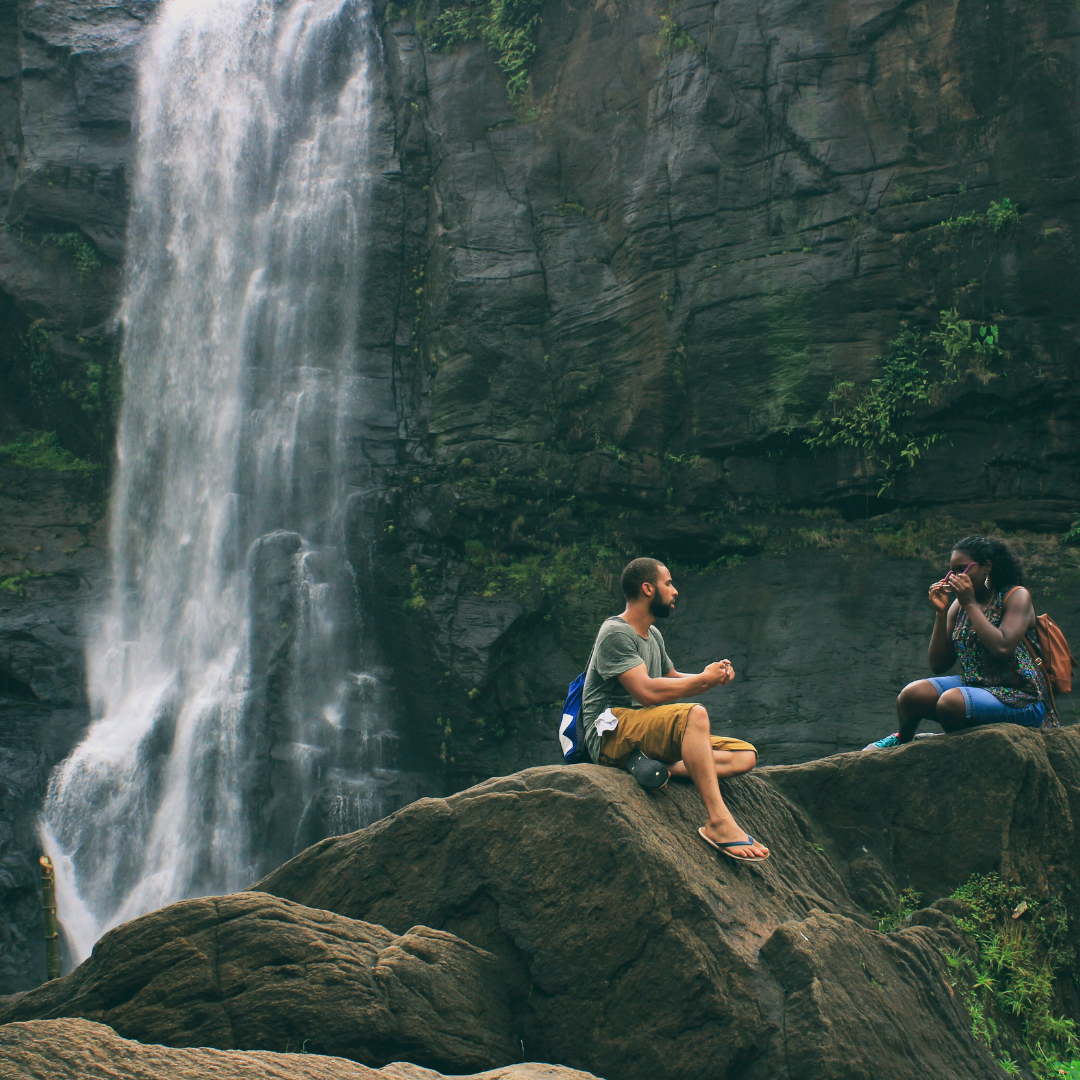

Exploring waterfalls, cliffs, and caves requires planning, caution, and the right equipment. To chase these natural features like a pro, one must combine proper research, physical preparedness, and respect for the environment. This approach ensures safety and enhances the overall experience.
Knowing how to read maps, track weather changes, and assess terrain helps adventurers navigate these locations efficiently. They also learn to balance enthusiasm with patience, understanding that these landscapes often demand time and careful observation.
Preparation includes wearing suitable clothing, packing essential gear, and prioritizing safety measures like informing others of their plans. This mindset allows explorers to enjoy striking natural sites while minimizing risks.
Essential Skills for Chasing Waterfalls, Cliffs, and Caves
Success in exploring waterfalls, cliffs, and caves depends on detailed knowledge of locations, strict safety habits, and the ability to handle diverse landscapes. Preparation for these activities requires a methodical approach to research, precautions, and terrain management.
Researching Scenic Destinations
Thorough research identifies realistic routes and the best times to visit. Reliable sources include guidebooks, official park websites, and trail apps that offer recent updates on trail conditions and potential hazards.
Reviews from experienced hikers provide insight into difficulty levels and necessary gear. Mapping tools help plan distances and elevations, ensuring the chosen sites match skill levels.
Understanding local weather patterns is critical. For instance, waterfalls may swell after rainfall, making trails slippery. Sunscreen recommendations vary; some shaded cliff trails need less, while exposed spots require higher SPF protection.
Safety Precautions and Preparation
Proper gear reduces risks. Sturdy hiking boots with good traction help in wet and rocky environments, common near waterfalls and cliffs. Helmets may be required for caves to protect against falling debris.
A basic first aid kit is essential. Carry enough water and snacks for energy. Sunscreen and insect repellent protect skin during long hikes.
Communication devices like fully charged phones or two-way radios improve safety. Informing someone of the planned route and estimated return time is standard practice.
Weather checks on the day of the trip prevent exposure to sudden storms. Avoid chasing waterfalls or climbing cliffs in unsafe weather.
Navigating Various Terrains
Waterfalls often involve slippery rocks and muddy paths. Walking poles provide stability. Careful footing is necessary to avoid falls.
Cliffs require knowledge of climbing basics for ascending or descending. Staying on marked trails reduces the risk of accidents, as unmarked paths may have unstable edges.
Caves demand understanding of confined spaces. Bringing reliable light sources, such as headlamps with backup batteries, is critical. Teams should move slowly and watch for low ceilings and uneven floors.
Adaptability to terrain improves with experience and proper training in hiking, scrambling, and caving techniques.
Legendary Waterfalls and Their Surroundings
These waterfalls stand out for their unique settings and distinct natural features. Each offers specific access points, viewing experiences, and nearby attractions that appeal to serious visitors.
Niagara Falls and Horseshoe Falls
Niagara Falls, located on the US-Canada border, consists mainly of three waterfalls: Horseshoe Falls, American Falls, and Bridal Veil Falls. Horseshoe Falls is the largest and most powerful, with a curved shape that channels the bulk of the water.
Visitors often explore the Maid of the Mist boat tour, which brings them close to the base of Horseshoe Falls. The surrounding parks provide well-maintained trails and observation decks ideal for photography.
Safety barriers and walkways allow for close views without risk. Nighttime illumination adds a different dimension, enhancing the overall experience year-round.
Havasu Falls: Desert Oasis
Havasu Falls is nestled within the Grand Canyon, accessible only by a long hike or helicopter. It features blue-green waters feeding into plunging waterfalls against red canyon walls.
Visitors must secure permits in advance due to limited access. The area includes campgrounds and basic facilities, but no commercial establishments.
The remote location offers a quiet, natural environment where hikers can swim in the clear pools. The contrast between desert surroundings and vibrant water makes this fall a unique destination.
Bridal Veil Falls: Iconic Experiences
Bridal Veil Falls is a name shared by multiple waterfalls worldwide, but one of the best known is part of Niagara Falls. This smaller, narrower cascade lies beside Horseshoe Falls, separated by Goat Island.
It provides a more intimate setting with close-up views available from the Cave of the Winds tour. Wooden walkways bring visitors within feet of the cascading water.
Bridal Veil Falls is less forceful but notable for its delicate appearance and accessibility. It complements the grandeur of nearby waterfalls with a gentler experience.
Iguazu Falls: Nature’s Grandeur
Iguazu Falls spans the border of Argentina and Brazil, consisting of over 270 individual drops totaling nearly 2 miles in width. This vast system runs through a subtropical rainforest.
Boardwalks and trails on both sides provide diverse viewpoints, from panoramic overlooks to trails near the water’s edge. The Devil’s Throat section is the most dramatic, with nearly 200 feet of vertical drop.
The surrounding national parks protect the site’s biodiversity. Visitors often combine waterfall viewing with wildlife watching, including coatis and colorful birds.
Exploring UNESCO and World Heritage Waterfall Sites
UNESCO World Heritage waterfall sites offer unique geological formations, diverse ecosystems, and cultural significance. These locations require respect and preparation to navigate safely while fully appreciating their natural beauty.
Plitvice Lakes National Park Highlights
Plitvice Lakes National Park in Croatia is renowned for its 16 terraced lakes connected by waterfalls. The water flows through travertine barriers, constantly forming new cascades and pools, making the landscape dynamic and ever-changing.
Visitors can follow well-marked wooden pathways that keep them close to the water while preserving the fragile environment. The park is notable for its clear turquoise waters and diverse flora and fauna, including bears and otters.
Its UNESCO designation protects both its natural wonder and unique hydrological processes. Proper footwear and a modest hiking experience are recommended for exploring this park comfortably.
Victoria Falls and the Power of the Zambezi River
Victoria Falls, located on the Zambezi River between Zambia and Zimbabwe, is one of the largest and most powerful waterfalls in the world. The falls stretch over 1.7 kilometers and drop approximately 108 meters.
The immense water volume creates a constant, misty spray visible from miles away, influencing local climate and vegetation. Visitors can explore viewpoints on both sides of the falls, with the Zimbabwean side offering closer access and Zambia providing panoramic views.
Guided tours often include information about the geological formation and the river’s ecosystem. Safety precautions are essential due to slippery rocks and strong currents near the gorge edges.
Tips for Pro-Level Adventures
Preparation and the right gear are crucial for safety and success. Capturing moments well requires basic photography knowledge and the right equipment.
Recommended Gear and Packing Essentials
A sturdy pair of hiking boots with good grip is essential for uneven and slippery terrain near waterfalls, cliffs, and caves. Moisture-wicking clothing helps manage sweat and keeps you dry.
Pack a reliable headlamp with extra batteries for exploring caves. A lightweight waterproof jacket protects against sudden rain or waterfall spray.
Bring a first-aid kit with blister treatment, bandages, and antiseptic wipes. Hydration is key—carry a bottle with at least 2 liters of water or a portable water filter for longer trips.
A compact multitool and waterproof dry bags keep electronics and maps safe. Trekking poles add stability during steep or slippery sections.
Capturing the Experience: Photography and Memories
Use a DSLR or a high-quality smartphone camera with wide-angle capability for expansive views. A tripod is helpful for steady shots, especially in low light near waterfalls or inside caves.
Set the camera to a slow shutter speed to capture silky water effects. Neutral density filters reduce glare and improve detail in bright conditions.
Take multiple angles to showcase scale and texture. Close-ups of rock formations, water droplets, and plant life add detail to the story.
Always back up photos immediately after the trip. Using cloud storage or portable drives prevents data loss while on the go.