
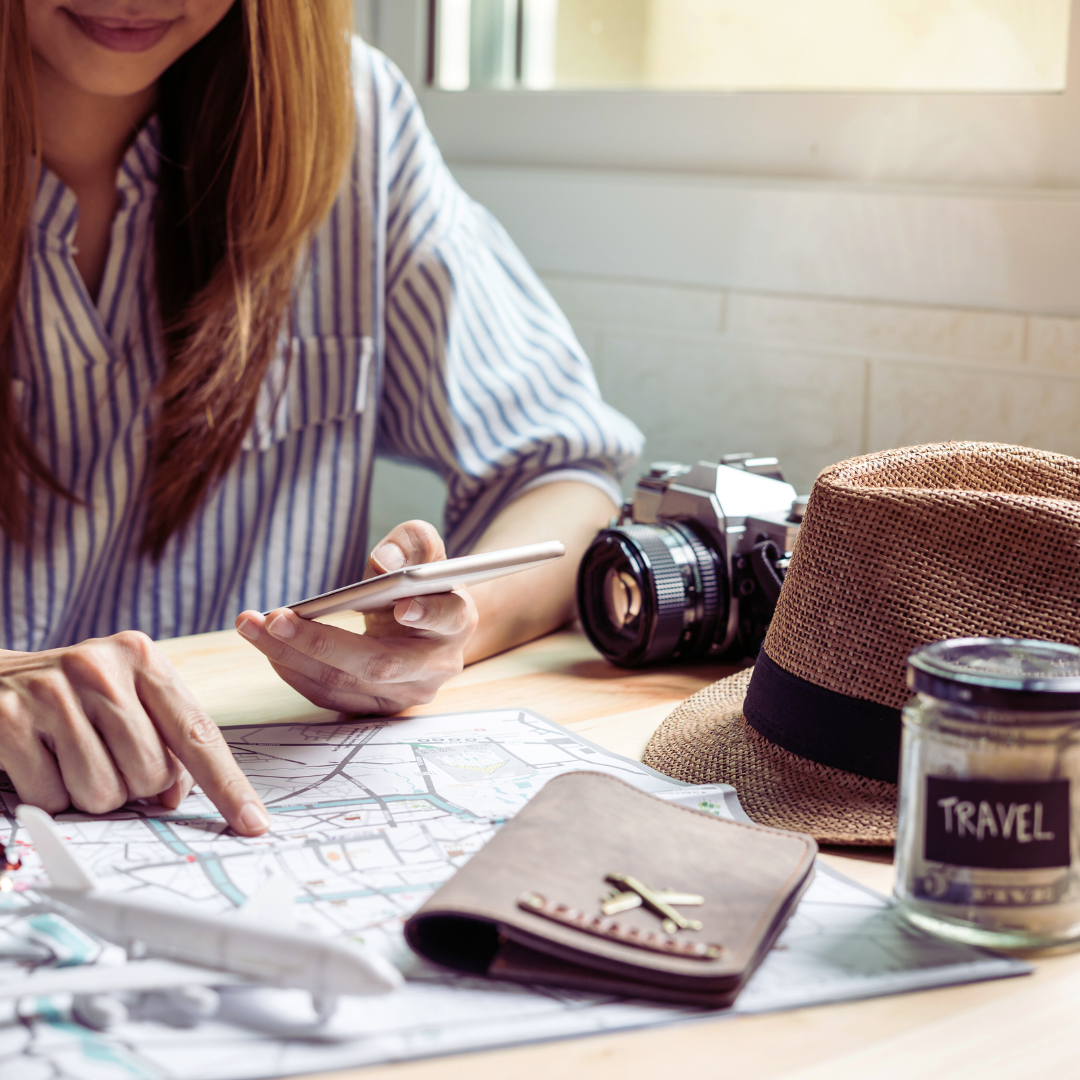

Making travel a lifelong lifestyle requires intentional planning and prioritization. By integrating travel goals into everyday decisions—such as budgeting, work arrangements, and personal routines—individuals can create consistent opportunities to explore new places.
It’s essential to balance responsibilities with the desire to travel, often by choosing flexible careers or remote work options. This approach enables frequent trips without sacrificing stability.
Adopting a mindset that values experiences over possessions helps sustain travel as a priority. People who live this way find ways to adapt their lives around regular travel instead of viewing it as a rare luxury.
Defining a Lifelong Travel Lifestyle
A lifelong travel lifestyle involves intentional choices that prioritize continuous exploration over time. It balances personal goals with practical considerations, leading to unique benefits and challenges that shape how one experiences the world.
What Does a Life of Travel Mean?
A life of travel means integrating regular trips into everyday living rather than viewing travel as occasional breaks. It requires categorizing travel as a core value and setting specific, achievable travel goals to maintain momentum.
This lifestyle often involves flexibility in work, finances, and living arrangements. Digital nomads, frequent flyers, and long-term travelers all embody elements of this approach but adapt it to their circumstances.
Key Benefits of Making Travel a Lifestyle
Traveling consistently broadens cultural understanding and builds adaptability. It exposes individuals to diverse perspectives, which can improve problem-solving and communication skills.
Frequent travel also encourages a minimalist mindset by focusing on experiences rather than possessions. Many develop stronger social networks globally, which can open new professional or personal opportunities.
Common Challenges and Sacrifices
Sustaining a travel lifestyle requires managing financial strain due to ongoing expenses. Stability in relationships and local community ties may weaken, causing emotional challenges.
Practical sacrifices include reduced access to permanent housing and healthcare systems. Balancing work commitments with travel plans demands careful time management and sometimes limits career advancement in traditional roles.
Building Sustainable Travel Habits
Creating lasting travel habits involves understanding personal motivations, defining achievable goals, and integrating travel into everyday routines. These steps ensure travel remains a consistent part of life rather than a one-time event.
Discovering Your Personal Motivation
Identifying why someone wants to travel is crucial to sustaining the habit. Motivations vary from exploring new cultures, seeking adventure, to learning languages, or simply escaping routine.
Reflecting on past travel stories helps clarify these reasons. Keeping a journal or revisiting favorite trips can highlight what made travel meaningful.
Motivation drives commitment, especially when challenges arise. Knowing personal reasons makes travel goals more compelling and easier to prioritize amid daily demands.
Setting Realistic and Flexible Travel Goals
Setting clear, manageable travel goals helps maintain momentum. Goals should balance ambition with feasibility, like planning two trips a year instead of one distant journey.
Flexibility is key. Changing schedules, budgets, or interests requires adaptable plans. Annual goals can include local weekend trips or international travel, depending on resources.
Using tools like calendars, budgeting apps, and travel trackers aids in progress. Breaking larger goals into smaller steps, such as researching destinations monthly, keeps travel plans active year-round.
Blending Travel with Daily Life
Incorporating travel into daily life involves creative integration. It can mean exploring nearby towns, attending cultural events, or learning a language relevant to future trips.
Creating travel routines, such as weekly travel reading or planning sessions, maintains focus. Sharing travel stories with friends or on social media fosters enthusiasm.
This approach reduces the pressure for expensive or long trips and encourages continuous engagement. Travel becomes a lifestyle rather than occasional breaks, enriching daily experiences.
Practical Strategies for Long-Term and Slow Travel
Sustaining travel over months or years requires careful planning and adaptable habits. Managing money, choosing the right style of travel, nurturing relationships, and using technology effectively are essential to maintaining balance and avoiding burnout.
Budgeting and Financial Planning for Extended Travel
Long-term travel demands clear budgeting to avoid financial stress. Travelers should track all expenses and establish a realistic monthly budget that includes accommodation, food, transport, insurance, and leisure.
Saving an emergency fund before departure is crucial. Using local SIM cards or Wi-Fi hotspots helps reduce communication costs. Many opt for travel credit cards with no foreign transaction fees and monitor exchange rates to maximize spending power.
Using apps like Trail Wallet or Mint simplifies expense tracking. They can set alerts to stay on budget. Regularly reviewing spending patterns allows for adjustments, such as choosing cheaper lodging or cooking meals instead of dining out.
Choosing Between Slow Travel, Backpacking, and Remote Living
Deciding on a travel style shapes daily life and budget. Slow travel involves staying weeks or months in one place to immerse in local culture, often in mid-range accommodations. It suits those seeking stability and deeper experiences.
Backpacking prioritizes mobility and minimalism, moving frequently with light gear to save costs. It typically involves hostels and public transport, but may lead to faster burnout over the years without breaks.
Remote living integrates work and travel, allowing a steady income while on the move. It needs reliable internet and a workspace. Careful research into visa options and living costs is required to sustain this lifestyle without disruptions.
Keeping Relationships Strong While on the Road
Maintaining connections strengthens emotional well-being during long-term travel. Regular communication with family and friends via video calls or messaging apps is essential.
Scheduling specific times for calls creates routine and reassurance. Sharing travel experiences through blogs or social media helps keep distant contacts engaged.
Joining local or online communities offers support networks. Balancing solo time with social interaction prevents loneliness and enriches the travel experience.
Leveraging Technology for a Seamless Experience
Technology streamlines logistics and communication for travelers. Planning apps like Rome2rio and Skyscanner help find the best transport options and routes.
Digital maps and translators assist in navigation and language barriers. Cloud storage safeguards important documents like passports, visas, and travel insurance.
Using VPNs ensures secure internet access, especially when handling sensitive data. Mobile banking apps facilitate monitoring and managing finances on the go, reducing dependency on physical cards or cash.
Embracing Digital Nomadism and Remote Work Opportunities
Living as a digital nomad requires deliberate choices about work, income, and wellness. It demands clear strategies for shifting work habits, securing steady earnings, and maintaining a healthy balance between job responsibilities and travel experiences.
Transitioning to the Digital Nomad Lifestyle
The shift to becoming a digital nomad starts with assessing current skills and how they translate to remote work. They often begin by negotiating remote options with their existing employer or building freelancing opportunities on platforms like Upwork or Fiverr.
Establishing a reliable routine early is crucial. This includes selecting suitable work environments and investing in essential tools such as a good laptop, portable Wi-Fi devices, and productivity apps. They must also prepare for time zone challenges to maintain effective communication.
Understanding visa requirements and digital nomad-friendly destinations helps avoid legal complications. Many countries now offer special digital nomad visas, allowing stays of up to one year or more while working remotely.
Finding Remote Work and Passive Income Streams
Securing remote income typically involves roles centered on writing, design, programming, marketing, or consulting. They often combine freelance projects with contract roles to ensure consistent cash flow.
Passive income streams complement active work and can include creating online courses, affiliate marketing, or investing in dividend stocks. These options require upfront effort but provide financial stability over time.
Building a strong professional network online through LinkedIn or niche communities enhances job opportunities. Consistent upskilling and adapting to market trends increase their marketability within the remote job sector.
Balancing Work, Exploration, and Wellbeing
Maintaining a healthy work-life balance is vital to sustain long-term travel. Creating daily schedules that include dedicated work hours followed by time for exploration prevents burnout.
They prioritize physical and mental health through regular exercise, balanced diets, and mindfulness techniques. Ensuring access to quality healthcare within travel destinations is also important.
Choosing accommodations with good workspaces and reliable internet supports productivity. Setting boundaries around work prevents it from encroaching on travel experiences and personal time.