
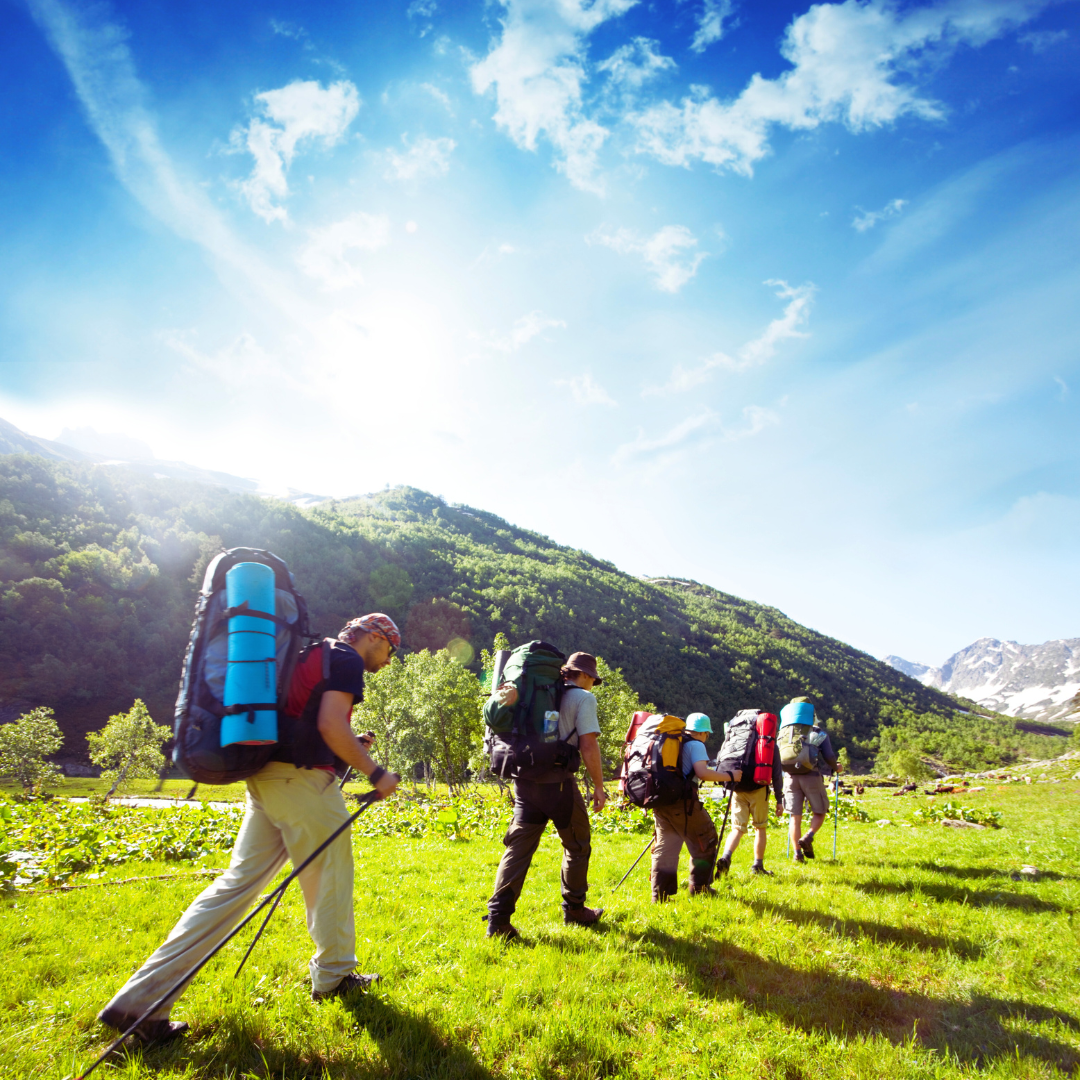

A multi-day trek through the wild offers an immersive experience into nature, combining physical challenge with moments of quiet reflection. Travelers should expect rugged terrain, changing weather, and the need to carry essential gear for several days. A successful multi-day hike requires preparation, resilience, and an understanding of the environment to navigate the journey safely and enjoyably.
The adventure unfolds as participants move through remote landscapes, often far from modern conveniences, offering nature lovers a rare chance to connect deeply with the outdoors. Each day brings new sights and demands, balancing exertion with the reward of untouched wilderness.
Planning for a multi-day trek means considering factors like route difficulty, shelter options, and available resources. Those who embrace the challenges find the experience both physically testing and mentally refreshing, making it a meaningful travel opportunity.
Key Experiences on a Multi-Day Trek
Trekking through wild landscapes involves close interaction with nature, a shift in daily habits, and encountering both physical and mental challenges. The journey demands stamina and resilience, rewarding those who embrace the adventure with unique sights and personal growth.
Immersing Yourself in Nature
Trek participants move through diverse ecosystems, often passing mountains, lakes, and dense forests. The constant presence of natural elements—wildlife sounds, fresh air, and varied terrain—creates a strong connection to the environment.
This immersion helps nature lovers observe seasonal changes, track animal footprints, and experience uninterrupted landscapes. The quiet moments beside remote lakes or at mountain summits offer mental clarity and a break from urban distractions.
Daily Life and Routines on the Trail
Daily life on a trek revolves around preparation and steady progress. Hikers typically wake early, pack their gear, and walk several hours covering varied distances each day. Meals are simple but energy-focused, often prepared over portable stoves.
Setting up camp involves pitching tents near water sources, ensuring safe locations away from wildlife trails. Regular hydration, rest breaks, and navigation checks are crucial to maintaining stamina. The routine balances physical effort with periods of recovery.
Challenges and Rewards of Wilderness Trekking
Trekking in the wild tests resilience through unpredictable weather, difficult trails, and physical fatigue. Encountering steep mountain paths or slippery river crossings requires caution and adaptability.
Despite these hardships, the rewards include a profound sense of achievement and a deepened appreciation for wilderness. The experience builds endurance and confidence. For many, the effort leads to lasting memories of raw landscapes and personal growth.
Physical and Mental Preparation
Success on a multi-day trek depends on building physical stamina and mental resilience. Preparing the body through targeted exercises and training the mind for unexpected challenges ensures a safer and more enjoyable experience.
Building Endurance and Strength
Endurance is essential for covering long distances with a loaded backpack. Regular cardiovascular activities like running or cycling improve lung capacity and overall stamina. Day hikes with gradually increasing weight help simulate trekking conditions.
Strength training should focus on the legs, especially the quads and hamstrings, to support steep ascents and descents. Squats, lunges, and step-ups build muscle endurance. Core exercises contribute to balance and reduce injury risk.
Consistency matters. Training sessions 3-5 times per week over several months prepare muscles and the cardiovascular system for sustained effort. Rest days allow recovery without losing progress.
Training for Flexibility and Mobility
Flexibility reduces the risk of strains and improves movement efficiency. Stretching routines targeting the hamstrings, calves, hip flexors, and lower back are crucial. Yoga or dynamic stretching before and after exercise enhances mobility.
Mobility drills focusing on joint range of motion prepare the body for uneven terrain. Hip openers and ankle rotations help maintain stability. Flexibility work should be done daily after short warm-ups for the best results.
Proper flexibility aids in shock absorption and decreases fatigue. It also benefits posture and reduces muscle tightness, often caused by heavy backpack loads.
Developing a Positive Attitude and Resilience
A positive attitude supports sustained effort through physical fatigue and unexpected obstacles. Mental resilience is strengthened by setting realistic goals for training and acknowledging incremental improvements.
Visualization techniques where one imagines overcoming difficult trail sections can prepare the mind. Encouraging self-talk reinforces confidence and reduces anxiety during tough moments.
Building a routine that includes challenging day hikes increases trust in personal ability. Learning to adapt with patience helps handle discomfort without frustration, essential on long treks.
Preparing for Mental Challenges
Mental endurance counters boredom, loneliness, and stress on multi-day treks. Preparation includes strategies such as mindfulness exercises to maintain focus and manage difficult emotions.
Anticipating potential setbacks like bad weather, navigation errors, or physical pain reduces their psychological impact. Planning rest breaks helps avoid burnout and sharpens decision-making.
Mental toughness develops by facing progressively difficult hikes and practicing problem-solving under pressure. A flexible mindset that accepts uncertainty contributes significantly to overall mental strength.
Essential Gear and Safety Considerations
Proper preparation is critical when trekking in the wilderness. Key equipment includes reliable navigation tools, adequate shelter and sleep systems, efficient cooking and hydration supplies, and comprehensive health and safety items.
Navigation Tools and Route Planning
Trekking through remote terrain requires precise navigation. A detailed topographic map and a reliable compass are essential as primary tools. Even if a GPS device is used, one should never solely rely on it due to potential battery failure or signal loss.
Before the trek, participants should study the route thoroughly and mark important waypoints. Backup navigation methods, such as a whistle or signaling mirror, offer added safety for emergencies. Carrying a paper map in a waterproof case and knowing how to use all navigation tools correctly is crucial.
Shelter and Sleeping Essentials
Comfortable and weather-appropriate shelter is vital. A lightweight tent or bivvy bag suited to expected conditions protects against rain and wind. Choosing a sleeping bag rated for temperatures below the expected night lows ensures warmth.
A sleeping pad is necessary to create insulation from cold ground and provide cushioning. Waterproof covers or rain flies protect the shelter and belongings. All gear should balance weight and durability since excessive bulk hinders mobility on long treks.
Cooking, Hydration, and Food Supplies
Efficient cooking gear is important for consistent nutrition and energy. Small, portable cooking equipment like a compact stove, fuel canisters, and lightweight cookware streamlines meal preparation.
Carrying adequate hydration systems, such as water bottles or hydration bladders, is essential. Trekkers should also have reliable water purification methods, including filters or tablets, to ensure safe drinking water.
High-calorie, non-perishable foods like nuts, dried fruits, energy bars, and dehydrated meals are preferred. Food should be stored securely to avoid wildlife encounters.
Health, First Aid, and Protection
A well-stocked first aid kit tailored to the environment and group size supports injury management. Basic supplies include adhesive bandages, antiseptic wipes, blister treatment, pain relievers, and any personal medications.
Carrying waterproof clothing and waterproof guards against hypothermia in wet conditions. Applying insect repellent reduces disease risk from bites. A headlamp is indispensable for hands-free lighting after dark and should have extra batteries on hand.
Responsible Trekking and Environmental Stewardship
Trekking through wild landscapes requires a commitment to protecting the environment and respecting local ecosystems. This involves applying specific practices that reduce human impact and ensure nature remains unspoiled for future visitors.
Leave No Trace Principles
Leave No Trace is a set of guidelines designed to minimize environmental damage. Trekkers should pack out all trash, avoid disturbing plants and wildlife, and use established trails to prevent soil erosion.
Campers must set up tents on durable surfaces like rock or gravel, not on fragile vegetation. Cooking areas should be kept clean and located away from water sources to avoid pollution.
Human waste must be disposed of properly, usually by digging catholes 6-8 inches deep and at least 200 feet from water. This prevents contamination and protects water quality for others.
Minimizing Impact on Nature
Nature lovers must balance their desire to explore with the responsibility to preserve. Keeping group sizes small helps reduce noise, trail wear, and wildlife disturbance.
Using reusable gear reduces waste, and avoiding the collection of natural objects maintains the environment’s integrity. Trekkers should also avoid feeding animals, which can alter their natural behavior and diet.
Water sources should never be used for washing dishes or bathing. Instead, water should be drawn and filtered away from these areas before use, preserving local ecosystems.