


Every year, millions of travelers seek out close encounters with wild animals — watching elephants bathe, snorkeling alongside sea turtles, or tracking gorillas through misty mountain forests. These experiences can be genuinely transformative, sparking a deep love for the natural world and even driving conservation efforts. But they can also cause serious harm when done irresponsibly. The difference between a wildlife experience that enriches both traveler and animal versus one that exploits and damages comes down to ethics — and knowing what to look for.
Wildlife tourism is one of the fastest-growing sectors in travel, but it comes with a complicated moral landscape. Understanding what makes it truly ethical requires looking beyond the surface-level feel-good moments and asking harder questions about animal welfare, conservation impact, and the communities involved.
What Is Ethical Wildlife Tourism?
At its core, ethical wildlife tourism refers to encounters with wild animals that prioritize the animals’ wellbeing, support genuine conservation efforts, and benefit local communities — all without causing stress, harm, or disruption to the animals or their natural behaviors.
It sounds straightforward, but the reality is far messier. The global wildlife tourism industry is worth an estimated $120 billion annually, and not all of it operates with the animals’ best interests in mind. Many experiences marketed as “eco-friendly” or “conservation-focused” are little more than greenwashing — designed to appeal to well-meaning travelers while continuing to exploit animals behind the scenes.
Truly ethical wildlife tourism means the animals can express natural behaviors, live in appropriate habitats, are not subjected to cruel training methods, and are not removed from the wild for human entertainment. It also means the tourism operation contributes meaningfully to protecting those animals and their ecosystems long-term.
The 4 C’s of Ecotourism: A Useful Framework
When evaluating wildlife tourism experiences, the 4 C’s of ecotourism offer a helpful framework:
- Conservation: Does the experience actively contribute to protecting wildlife and natural habitats? This might include funding anti-poaching efforts, habitat restoration, or wildlife research programs.
- Community: Are local communities genuinely involved and benefiting? Ethical operations hire local guides, source food and services locally, and ensure tourism revenue stays within the community rather than flowing to foreign-owned corporations.
- Culture: Does the experience respect local cultural traditions and indigenous knowledge? In many regions, local communities have coexisted with wildlife for generations and hold vital knowledge about ecosystems.
- Commerce: Is the business model sustainable and transparent? Responsible operators are open about where their money goes and can demonstrate tangible conservation outcomes.
These four pillars help travelers and operators move beyond vague “eco” claims and hold experiences to a more concrete standard.
Red Flags vs. Green Flags in Wildlife Tourism
Warning Signs of Unethical Practices
Some wildlife tourism experiences are clearly harmful — elephant rides, tiger selfie farms, and dolphin shows are now widely recognized as problematic. But many questionable practices are less obvious. Here are some red flags worth watching for:
- Direct physical contact with wild animals — petting, holding, or posing with wildlife usually requires that animals be drugged, chained, or psychologically broken through abusive training.
- Baby animals used as photo props — cubs, joeys, and young primates are often taken from their mothers and bred specifically for tourist interaction, a deeply cruel process.
- Animals performing tricks or unnatural behaviors — dancing bears, painting elephants, and performing primates are signs of stressful, coercive training methods.
- Nocturnal animals on display during the day — this causes chronic stress and disrupts natural rhythms.
- Vague or absent information about conservation programs — reputable operators can clearly explain their conservation contributions.
- High animal density in small enclosures — overcrowding is a sign of profit-driven rather than animal-centered operations.
Signs of a Genuinely Ethical Operation
By contrast, genuine ethical wildlife tourism tends to share some common traits:
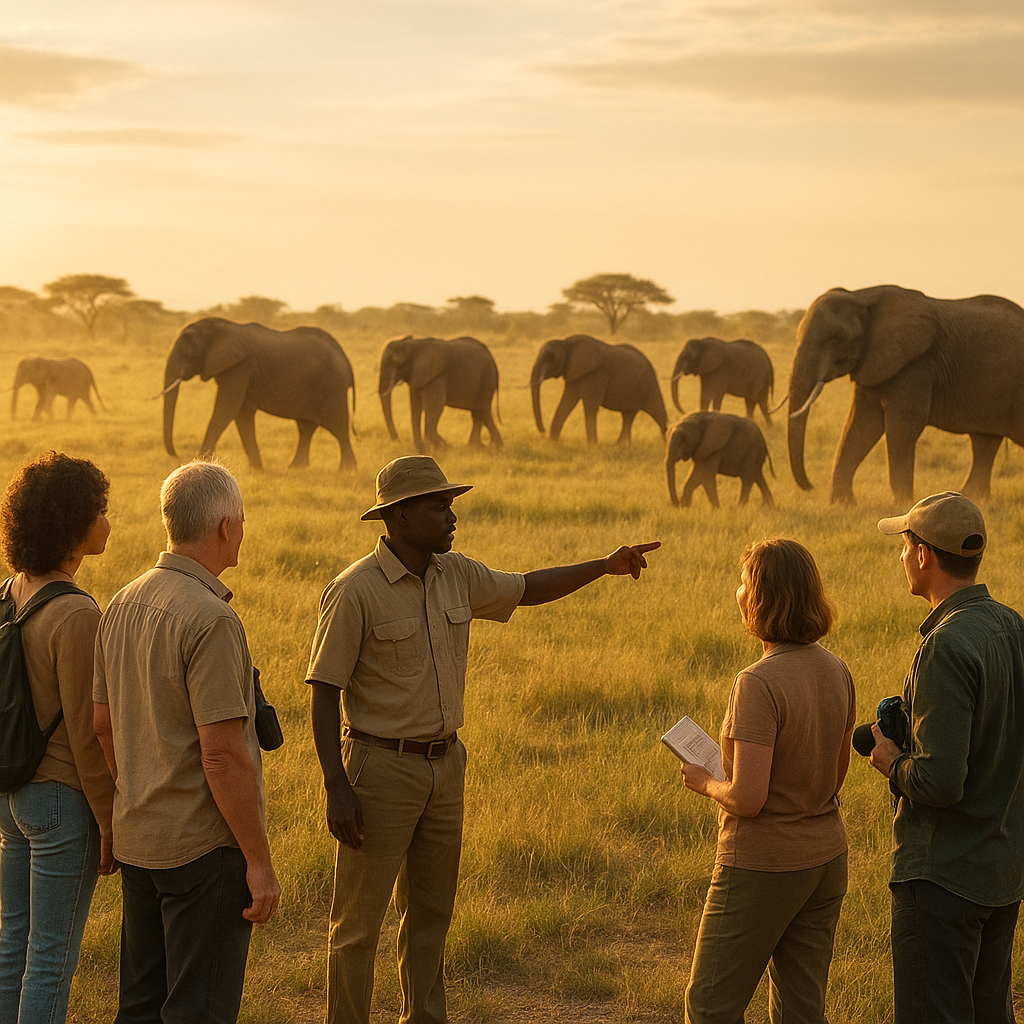
- Animals live in their natural or near-natural habitats with space to roam and express natural behaviors.
- The operation has clear partnerships with conservation organizations and can share measurable outcomes.
- Guides are locally trained and demonstrate deep knowledge of the species and ecosystem.
- There are strict visitor guidelines — minimum distances from animals, no flash photography, limited group sizes.
- The operation is transparent about its practices and welcomes scrutiny.
- There is a clear education component that helps visitors understand the species and the conservation challenges it faces.
The 5 R’s of Animal Ethics in Tourism
Another valuable lens for evaluating wildlife encounters comes from animal ethics philosophy — specifically the 5 R’s, which are increasingly applied in the context of tourism:
- Replacement: Can the experience happen without using live animals at all? Virtual reality, documentary screenings, and wildlife tracking technology can sometimes deliver meaningful experiences without any animal involvement.
- Reduction: Are visitor numbers kept low to minimize stress and environmental impact?
- Refinement: Are the conditions for animals constantly being improved based on new research and animal welfare science?
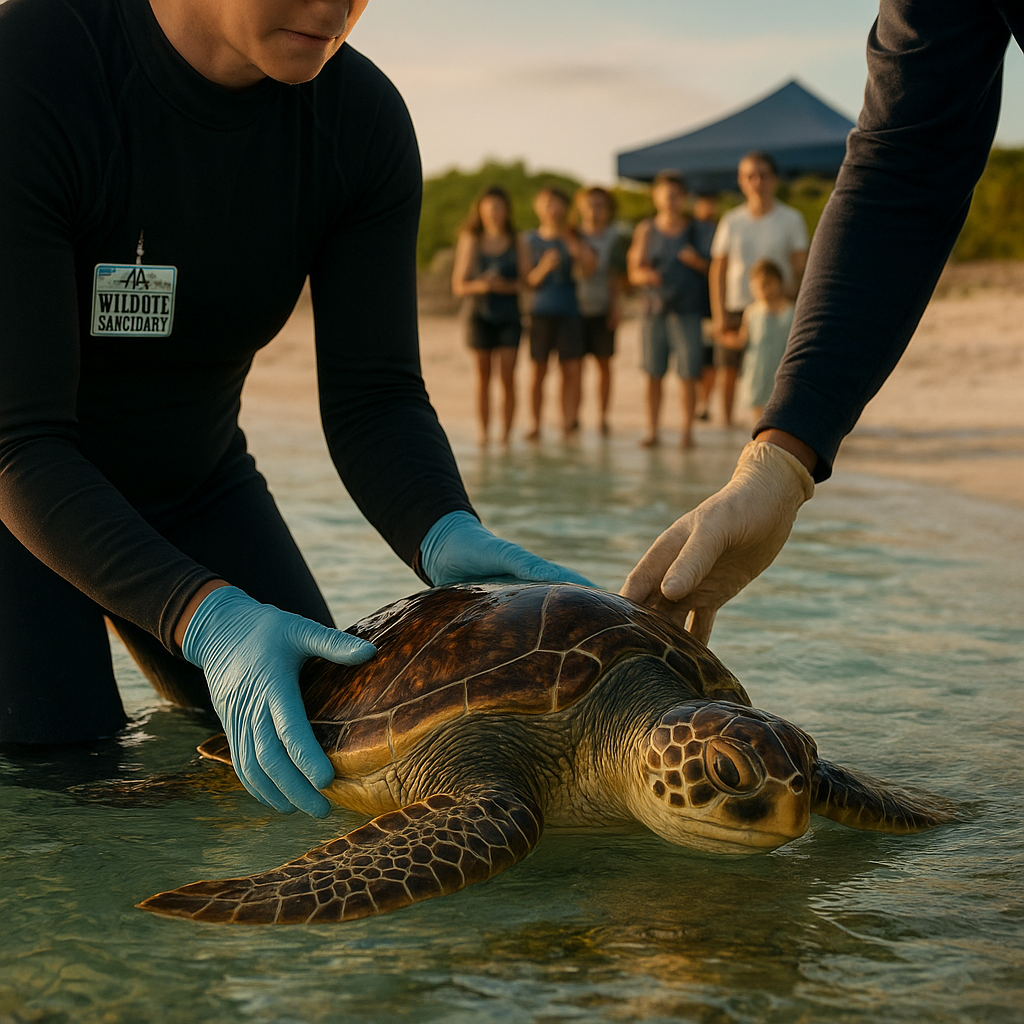
- Rehabilitation: Does the operation contribute to rehabilitating injured or orphaned animals for return to the wild?
- Respect: Is there a genuine cultural and operational respect for animals as sentient beings with their own needs and interests — not as props or products?
These principles are particularly useful when assessing sanctuaries and rescue centers, where the line between genuine rehabilitation and long-term captivity exploitation can be blurry.
The Hidden Costs of Wildlife Tourism
Even well-intentioned wildlife tourism carries costs that aren’t always visible. Habituation — the process by which wild animals become accustomed to human presence — can make them more vulnerable to poachers, reduce their natural wariness, and alter their social structures. Studies of habituated elephant groups in East Africa have found changes in ranging behavior that may increase human-wildlife conflict over time.
There’s also the issue of carbon footprint. Long-haul flights to reach wildlife destinations contribute significantly to greenhouse gas emissions — the same emissions driving climate change that threatens the habitats of the very species travelers come to see. This doesn’t mean wildlife tourism travel should stop entirely, but it’s worth acknowledging the irony and considering carbon offset programs as a partial mitigation.
Wildlife photography tourism, in particular, has come under scrutiny. The drive for the perfect shot can push photographers — amateur and professional alike — to approach animals too closely, use drones that cause stress, or visit nesting sites during critical breeding periods. Ethical wildlife photography requires the same restraint and respect as any other form of wildlife encounter: the animal’s welfare always takes priority over the image.
Ethical Considerations in Wildlife Photography and Tourism
The rise of social media has intensified some of the worst impulses in wildlife tourism. A striking animal photo can generate thousands of likes, creating perverse incentives for both photographers and operators to push ethical boundaries for attention. The phenomenon sometimes called “Instagrammable animal tourism” — where exotic encounters are staged primarily for social media content — has accelerated demand for facilities that keep wild animals in unnatural conditions.
Research published in wildlife management journals has shown that images of people handling wild animals on social media actually increase public demand for those interactions, even when captions include warnings about animal welfare. This creates a feedback loop that responsible travelers can help break simply by not sharing or endorsing images of captive wildlife encounters that show signs of exploitation.
Key ethical considerations in wildlife photography include:
- Never using bait or calls to lure animals into unnatural situations for a better shot.
- Avoiding photography at nesting or denning sites during sensitive seasons.
- Keeping drones well away from wildlife — many species experience significant stress responses to drone noise and movement.
- Choosing guides and operators who enforce strict photography protocols.
- Being honest in captions — if an animal is captive, say so.
How to Choose Ethical Wildlife Experiences
Making responsible choices in wildlife tourism takes a bit of research, but it’s entirely achievable. Here are some practical steps for evaluating any wildlife experience before booking:
- Look for third-party accreditation. Organizations like the Global Welfare Guidance for Animals in Tourism (GWGAT) and the World Animal Protection’s Wildlife Friendly tourism criteria provide independently verified standards.
- Research the operator’s conservation partnerships. Credible operators can name specific organizations, projects, and outcomes — not just vague claims about “supporting conservation.”
- Check reviews critically. Look for reviews that mention animal behavior and conditions, not just the quality of the experience for tourists.
- Ask questions before booking. How are the animals sourced? What happens to animals that can no longer participate in the program? Where does the revenue go?
- Be wary of voluntourism involving wildlife. Many programs that invite tourists to care for baby animals, help at sanctuaries, or walk with lions have been exposed as exploitative operations that rely on a continuous supply of captive-bred animals.
Why It Matters Beyond the Individual Experience
The choices individual travelers make have real aggregate effects. Tourism demand directly shapes what products and experiences operators create. When ethical operations thrive and exploitative ones lose business, the entire industry shifts. Wildlife tourism done right can generate enormous goodwill and financial support for conservation — some of the world’s most important protected areas depend on wildlife tourism revenue to fund anti-poaching, community outreach, and habitat management.
In communities bordering wildlife areas in Kenya, Rwanda, and Botswana, for example, well-managed wildlife tourism has transformed local attitudes toward conservation by making living wildlife economically more valuable than hunted or farmed alternatives. Hiring local guides and sourcing services from local communities is a key part of this equation, ensuring that tourism revenue genuinely benefits the people who live alongside the wildlife. This is the genuine promise of ethical wildlife tourism — not just a nice experience for the traveler, but a tangible contribution to the long-term survival of species and ecosystems.
In Summary
Ethical wildlife tourism is not a single certification or a simple checklist — it’s a ongoing commitment to asking harder questions, making more informed choices, and accepting that sometimes the most ethical option is to observe from a greater distance, visit fewer animals, or skip a particular experience altogether. The animals themselves cannot advocate for better treatment; that responsibility falls to travelers, operators, and the broader tourism industry.
By understanding frameworks like the 4 C’s of ecotourism and the 5 R’s of animal ethics, recognizing red flags, and supporting operations that genuinely prioritize animal welfare and conservation outcomes, travelers can ensure that their wildlife experiences contribute to a world where wild animals continue to thrive — not just for tourism, but on their own terms.