
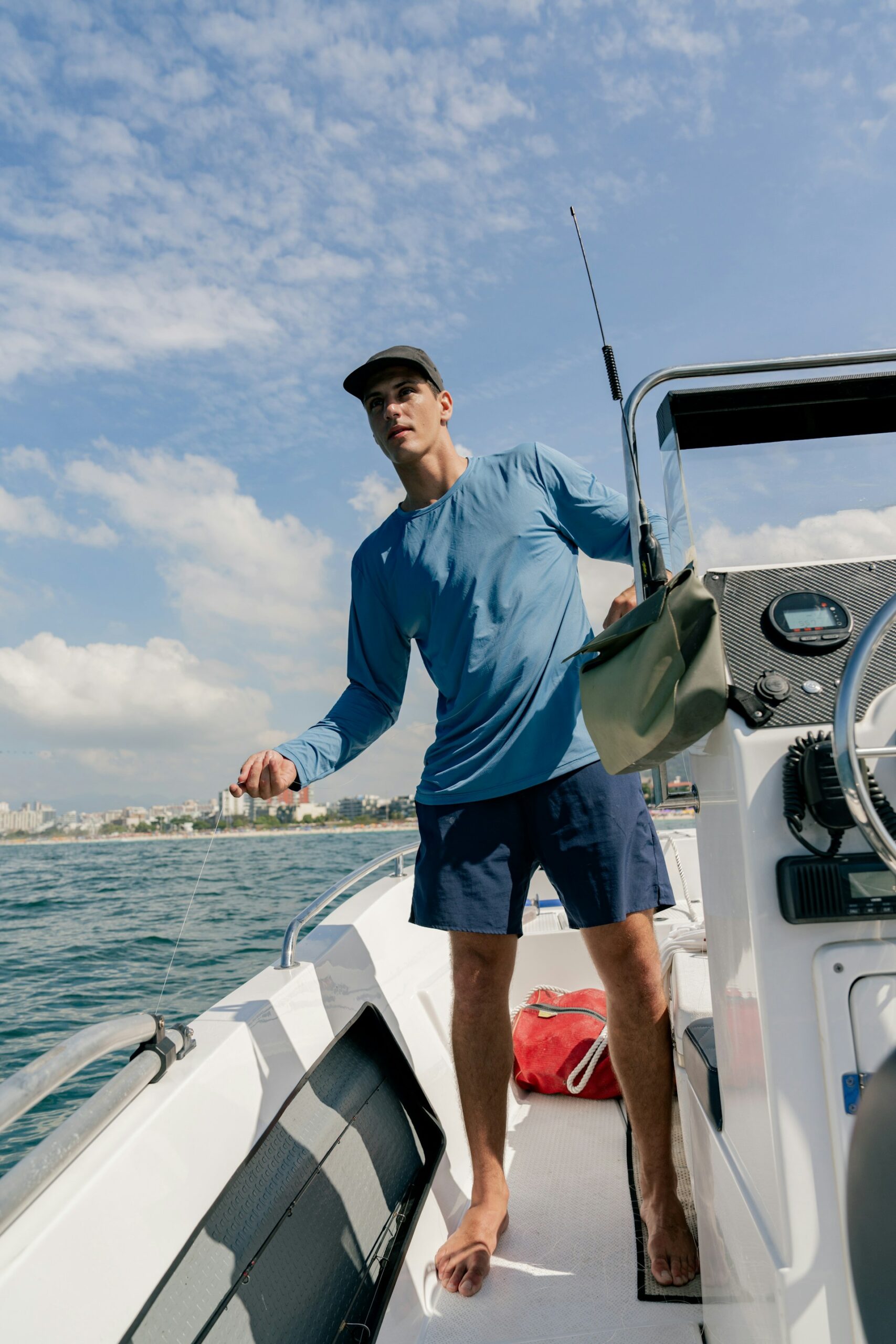

Why Deep Sea Excursions are the Ultimate Addition to Your Vacation Itinerary
Most vacations don’t actually give you anything to talk about. Everything is different out on the sea. You’re fishing for creatures that might not have been caught before, and nobody else on Earth is pursuing them in the same wild expanses. You’re using specialized gear to winch them up from crushing depths, and the fight they give puts you on the line as much as they are.
The psychology behind why offshore trips hit differently
Blue Mind Theory, put forward by marine biologist Wallace J. Nichols, explains that being close to water helps change our state of mind to a more peaceful and focused one. On the vast ocean, this effect is even stronger. You’re not simply close to the water – you’re completely surrounded by it. You have an unobstructed view of the horizon, there is no light pollution, and all you can hear is the wind, the water, and sometimes the reel of a fishing rod whirring as a big fish takes the bait.
This is important since most vacation pursuits are inactive, you’re either watching something or being carried somewhere. Offshore fishing is an active experience unlike most others you could have while traveling. When you’re grappling with a marlin or sailfish on the other end of the line, you’re in a true physical battle and must be ready to utilize all your concentration, endurance, and quick thinking. This kind of active participation helps stimulate the flow state of mind, where you become completely engrossed in a task that is challenging but manageable. This is why many people are willing to pay a great amount to climb a mountain or engage in similarly intense activities. The experience feels genuine.
Choosing the right destination matters more than most people realize
Every ocean is different. Water temperature, seasonal migration patterns, and how close the good stuff is to the shore vary from sea to sea. The Pacific coast of Costa Rica is consistently one of the richest offshore areas in the world, with Pacific sailfish, roosterfish, and blue marlin all accessible without a ridiculous boat ride. Tamarindo fishing charters specialize in a region that has regularly productive fishing nearly year-round, so you don’t have to throw up your hands and pray if your schedule only allows for a certain week on the water.
If you’ve never been on a fishing charter before, let’s make one thing clear: with few exceptions do captains just set sail somewhere they’ve heard is good and hope to get lucky. They have a half-day or full-day trip plan, and you’re on the hook to make that plan work. What you’re paying for is a captain who knows these waters so well they almost certainly know what kind of fish you’re going to catch before you ever cast a line, and who undoubtedly knows where to go for those fish if catching them is a possibility.
What you’re actually looking at out there
Ventures into the deep sea do not only focus on the aquatic fauna. The sudden shift from the shallows to the deep on the continental shelf – a phenomena that goes on unseen by most humans – serves as a meeting point for a vast array of marine life. Whales pop up suddenly, while dolphins play at the bow. Sea turtles float by unconcerned. Larger pelagic species like wahoo and yellowfin tuna swim in schools that sometimes break the surface.
The breadth of what you see is determined by your position in relation to these underwater drop-offs, which is why captains having this bathymetry knowledge are worth their weight in gold. Essentially, they know how to read the contours of the ocean floor. A good captain doesn’t just take you out there, they can read weather patterns, water temp breaks, and the movement of the smaller bait fish to get you directly into the zone where you’re most likely to strike gold.
Conservation isn’t a footnote – it’s part of the experience
Catch and release is now widely adopted with billfish among serious sportfishing communities and for good reason. The populations of marlin and sailfish are especially susceptible to the pressure of harvesting, and anglers who are responsible know that releasing a fish doesn’t make the experience any less – it makes it possible for every subsequent angler to also have that experience. Most reputable charters are also pretty loud about this, and spending time with a captain who explains why it matters will give a sense of education to the journey that you actually remember.
According to the Outdoor Foundation’s Outdoor Participation Trends Report, most fishing participants point to stress relief and connecting with others as their main motivators, not the actual catch. That’s because the fish is the tool. The story becomes something completely different.
The itinerary flexibility most people overlook
One common misgiving is that booking a full-day charter commits the group to fishing for eight hours straight. But in reality, many operators will let you set the departure time, adjust the length of the trip, combine fishing with snorkeling or maybe trolling along the reef for a bit, which nearly everyone enjoys, and give people time to do other things during the day. Half-day charters are common.
The strongest argument for making a deep-sea trip part of your vacation is not that fishing is enjoyable, though it certainly can be that. It’s that the physical effort, suspense, and exposure to something few people ever have the chance to see pushes you into a level of experience that typical vacation experiences seldom touch. You went out and sought adventure. You did something physically demanding that also required skill. Then you came home with an adventure to talk about.