
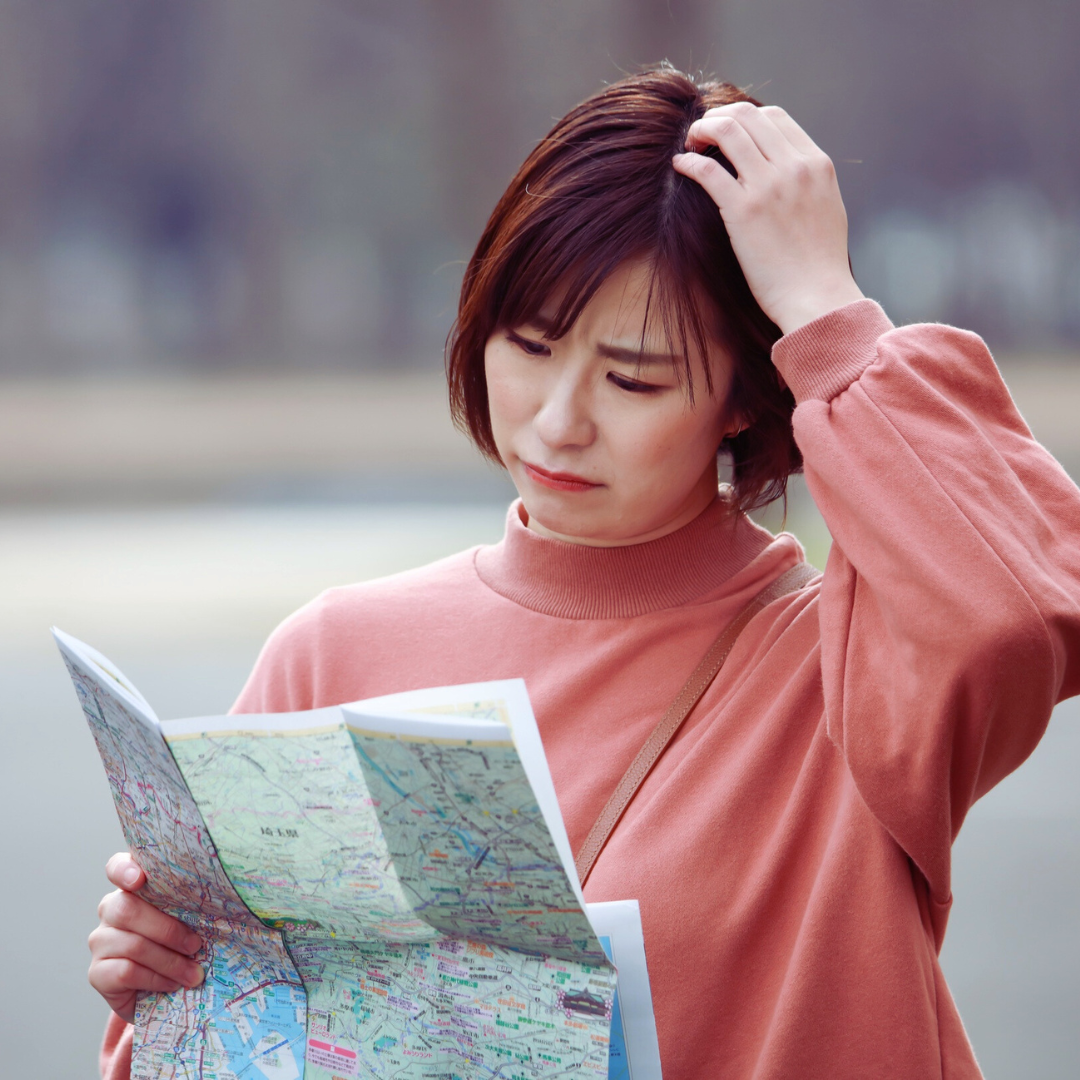

Many people see getting lost as a negative experience, but it can actually lead to unexpected discoveries and deeper engagement with surroundings. When someone veers off a planned path, they open themselves to new perspectives that structured routes often miss.
Getting lost allows individuals to embrace uncertainty, encouraging creativity and personal growth through real-time problem-solving. This spontaneous exploration can transform a simple journey into a meaningful adventure.
Rather than focusing solely on reaching a destination, the value lies in the experiences gained along the way. Recognizing this shifts the mindset from frustration to opportunity, making getting lost one of the most rewarding parts of any trip.
The Unexpected Value of Getting Lost
Being lost often pushes people beyond their comfort zones, revealing new insights and abilities. It challenges assumptions, opens the door to personal growth, and invites innovation through fresh perspectives. These moments, though unplanned, build resilience and spark curiosity.
Embracing the Unknown for Growth
When someone gets lost, they must navigate uncertainty without preset instructions. This forces adaptability, a key skill for handling complex situations in both travel and life. By facing unknown terrain, a person learns to assess risks and make decisions quickly.
The experience of being lost removes predictable paths and routines. In this void, people often discover uncharted aspects of their personality or skills. From problem-solving to emotional management, the challenges encourage growth that structured environments rarely provide.
Building Confidence Through Challenges
Getting lost turns into a trial where success depends on persistence and resourcefulness. Every step toward finding the right direction strengthens self-reliance, as the person learns to trust their judgment. Confidence grows with each small victory.
Encountering unexpected obstacles during an adventure teaches practical skills like map reading, asking for help, or interpreting clues. This gradual mastery reduces fear of being lost in the future. As a result, individuals feel more competent about handling real-world problems beyond navigation, too.
Rediscovering Wonder and Creativity
Being lost offers a break from routine routes, prompting discovery in new environments. This spontaneous exploration triggers curiosity and attention to details often missed on predetermined paths. It can lead to unique experiences, like finding hidden landmarks or meeting unfamiliar people.
Creativity often flourishes when normal expectations disappear. People may invent new ways to overcome obstacles or create fresh stories about their journey. This imaginative process enriches the adventure itself and adds personal meaning to the experience.
Hidden Benefits Along the Journey
When travelers stray from planned routes, they often encounter experiences that planned trips rarely offer. These moments provide unique discoveries, meaningful interactions, and opportunities to disrupt daily habits.
Discovering Hidden Gems and Unseen Places
Getting lost can lead to stumbling upon hidden gems like small cafes, murals, parks, or quaint neighborhoods not found in guidebooks. These places often offer authentic atmospheres free from tourist crowds.
Exploration without a fixed path encourages adventurers to appreciate details that structured tours overlook. It creates a sense of personal discovery and ownership over the journey’s places.
By venturing into less-visited areas, travelers may find unique cultural sites or natural landscapes that enrich their trip far beyond typical landmarks.
Fostering Authentic Local Connections
When navigation mistakes occur, travelers often seek directions or assistance from locals. This opens up chances for genuine connections rather than superficial encounters.
Conversations sparked by uncertainty can reveal insider knowledge, lead to invitations, or create memorable social moments. Locals might share stories, recommendations, or cultural insights otherwise unavailable.
These spontaneous exchanges deepen understanding of the place and its people, making the journey more meaningful.
Breaking Free from Routine Patterns
Losing one’s way disrupts the expected flow of travel. It pushes people out of comfort zones and habitual behaviors.
This break fosters adaptation, creative problem-solving, and openness to new experiences. It can refresh perspectives and bring a renewed sense of adventure.
Instead of following a preset itinerary, the traveler explores in the moment, responding to surroundings and decisions with spontaneity.
Finding Your Way and Personal Transformation
When someone gets lost, it often pushes them to reevaluate how they make decisions, handle challenges, and take in unfamiliar surroundings. These moments encourage growth in instinct, resilience, and perspective through direct experience.
Learning to Trust Your Instincts
Being lost forces individuals to rely on their intuition instead of external guides like maps or apps. Trusting instincts involves reading subtle environmental clues—like the position of the sun, terrain features, or sounds—and making quick judgments.
This skill strengthens over time, increasing confidence in decision-making during uncertain situations. As a result, people become less dependent on technology and more aware of their natural surroundings.
Developing Resilience and Problem-Solving Skills
The discomfort of being lost requires practical problem-solving and emotional regulation. Individuals learn to pause, assess their situation, and create strategies to move forward safely.
Handling setbacks, such as dead ends or wrong turns, builds mental toughness. This resilience helps in managing stress and adapting flexibly, important traits both during travel and in everyday life.
Gaining Perspective from New Experiences
Finding the way after being lost often involves encountering unfamiliar people, places, or ideas. These interactions expand understanding and challenge previous assumptions.
Experiencing unexpected situations firsthand offers insight that books or instructions cannot. This broadens horizons and fosters personal growth through engagement with diverse environments.