

Many travelers focus on well-known festivals, missing unique cultural events that offer rich local experiences. Exploring lesser-known festivals can provide deeper insight into a region’s traditions and community spirit.
These six festivals stand out for being captivating yet often overlooked by tourists seeking authentic moments beyond typical crowds. Each celebration reveals distinct customs and stories that add depth to any travel itinerary.
By discovering these hidden festivals, travelers can connect more meaningfully with the places they visit and enjoy experiences that few others encounter.
Six Unique Festivals Tourists Often Overlook
These festivals offer distinct cultural experiences through lively traditions, historical roots, and local customs. They take place in smaller towns or specific regions, making them less known but rich in authenticity.
Battle of the Oranges: Ivrea, Italy
The Battle of the Oranges is a historic event held annually in Ivrea, Northern Italy. Participants divide into teams and throw thousands of oranges at each other, symbolizing a revolt against tyranny from the Middle Ages.
The festival spans three days and includes parades, costumes, and street performances. It commemorates the city’s fight for freedom and brings together locals and visitors in vibrant, messy battles through the town square.
Sechseläuten: Zurich, Switzerland
Sechseläuten marks the arrival of spring in Zurich, Switzerland, featuring a procession by Zurich’s guilds in traditional costumes. The highlight is burning the “Böögg,” a large snowman figure symbolizing winter.
The event takes place in April, attracting locals who watch the parade, followed by the burning. The time it takes for the Böögg’s head to explode is believed to predict the weather for the coming summer.
Chichibu Yomatsuri: Chichibu, Japan
Chichibu Yomatsuri is a vibrant night festival held in early December in Chichibu, Japan. It showcases intricately decorated floats paraded through the streets accompanied by traditional music and fireworks.
The festival honors local deities and has a history dating back over 300 years. Visitors witness craftsmanship in float design and experience lively performances, making it a key seasonal event in the region.
Fiesta de las Cruces: Cusco, Peru
Fiesta de las Cruces is celebrated in Cusco, Peru, on May 3rd, blending indigenous and Catholic traditions. Large wooden crosses are decorated with flowers and ribbons, then carried in processions that pass through city streets.
The festival includes music, dancing, and offerings to ensure agricultural fertility and community well-being. It is a visually striking event reflecting the fusion of cultures in the Andes region.
Walpurgis Night: Harz Mountains, Germany
Walpurgis Night takes place on April 30 in the Harz Mountains of Germany. It involves bonfires and festivities to ward off evil spirits, rooted in pagan traditions, welcoming spring.
People wear costumes representing witches and folklore figures while participating in dances and rituals. The event combines myth, seasonal change, and local legend in a unique, atmospheric setting.
Martenitsa: Bulgaria
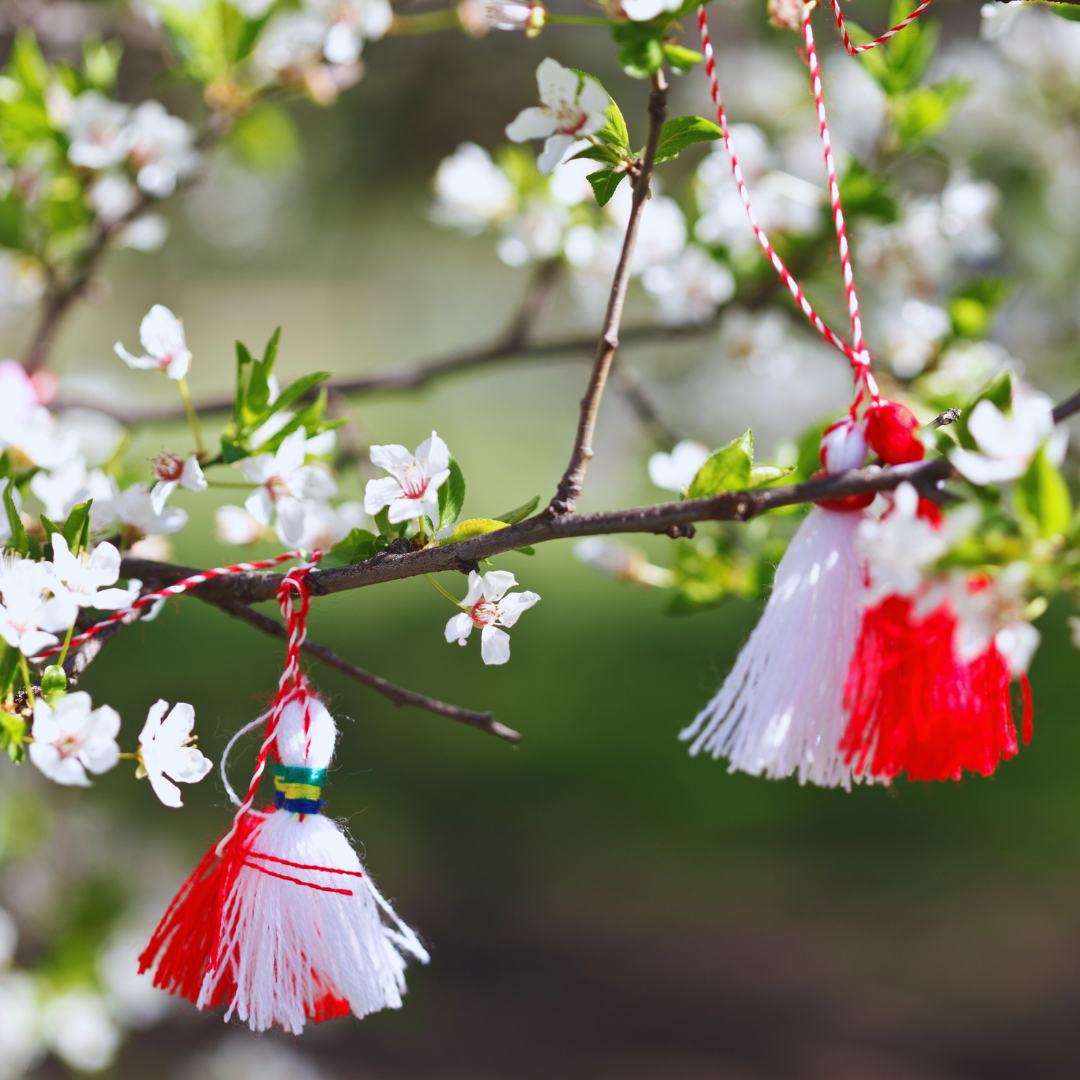
Martenitsa is a Bulgarian springtime tradition where people exchange red and white woven bracelets on March 1st. These serve as symbols of health and prosperity and are worn until the wearer sees the first signs of spring.
The bracelets are tied on wrists or hung on trees to welcome the season and invite good fortune. Martenitsa is simple but deeply meaningful, reflecting Bulgaria’s connection to nature and renewal.
Why Tourists Miss These Hidden Festivals
Many lesser-known festivals remain off the typical travel radar due to a mix of limited visibility, local priorities, and specific timing. These factors restrict tourists’ access and awareness, keeping these events under the mainstream travel spotlight.
Limited International Promotion
These festivals often lack the marketing budgets and platforms that major events enjoy. Local organizers prioritize community involvement rather than attracting international crowds.
Tourism boards may not emphasize these festivals abroad, focusing instead on well-known events that guarantee larger tourist numbers. As a result, travelers relying on popular travel guides or international media rarely discover these celebrations.
Without extensive online presence or partnerships with global tourism agencies, these festivals maintain low profiles. Information may only be available in local languages, creating a barrier for international visitors seeking details.
Local Focused Traditions
Many hidden festivals are deeply rooted in local customs and serve cultural or religious functions important primarily to the community.
This local focus discourages extensive tourist participation. Visitors might find the ceremonies and rituals unfamiliar or not designed for outsider engagement, which reduces visibility.
The atmosphere at such festivals is often intimate and specific to residents who share a common history. That exclusivity can exclude casual tourists both intentionally and culturally.
Timing and Seasonality
These festivals frequently occur during off-peak tourism seasons or coincide with local agricultural cycles.
The timing can be inconvenient for most travelers who prefer traditional holiday periods. Weather conditions may also deter visitors when festivals take place during rainy or cold seasons.
Some festivals are brief or sporadic, lasting only a day or two, making them easy to miss unless planned precisely. This narrow window limits tourist attendance and reduces their exposure online or in travel circuits.
Tips for Experiencing Lesser-Known Global Celebrations
Timing, cultural immersion, and respectful behavior are key to fully appreciating lesser-known festivals. Understanding local schedules, engaging sincerely with traditions, and honoring customs enhance the experience and foster meaningful connections.
Planning Around Regional Dates
Festival dates often vary by region or lunar calendar. Travelers should check local calendars and official websites for accurate timing. For example, the Bavarian culture’s street parties in Germany may shift by town or week.
Booking transportation and accommodation early is essential, as smaller festivals can fill local lodging quickly. Weather can also impact festival activities, so packing appropriate clothing is important.
Many festivals like the Festival of Lights are seasonal and tied to specific astronomical or religious events. Planning flexibility around these exact dates prevents missing the core celebrations.
Immersing Yourself in Local Culture
Active participation beyond observation enriches understanding. Tourists should learn common phrases or greetings in the local language to engage respectfully.
Sampling traditional foods and joining community dances or street parades allows a deeper connection. Bavarian festivals often feature unique folk music and costumes, which invite visitor involvement.
Reading about the festival’s historical and cultural background beforehand helps avoid superficial engagement. Locals tend to appreciate it when visitors show genuine interest rather than treating festivals as mere tourist attractions.
Respecting Rituals and Etiquette
Respecting local customs is crucial, especially in religious or sacred ceremonies. Tourists should observe rules about photography, dress codes, and physical behavior.
In some festivals, such as those involving ritual lighting of lamps or candles like the Festival of Lights, it is important to follow instructions carefully for safety and respect.
Asking permission before joining ceremonies or entering restricted areas is necessary. Avoiding loud or disruptive behavior at street parties ensures a positive interaction with hosts and other attendees.
Other Noteworthy Festivals Often Missed by Tourists
These festivals represent unique cultural experiences in locations that often attract fewer visitors than major tourist spots. Each event offers a distinctive way to engage with local traditions and celebrations beyond the typical travel itinerary.
Yi Peng Lantern Festival: Chiang Mai, Thailand
The Yi Peng Lantern Festival occurs annually in Chiang Mai, coinciding with the Lanna Lunar Calendar’s full moon in November. It features thousands of floating lanterns released into the night sky, symbolizing the release of misfortunes and making wishes for good luck.
Visitors witness sky lanterns drifting over ancient temples and the Ping River, creating a visually stunning scene. The festival also includes traditional dance, music, and parades. Yi Peng coincides with the Loi Krathong festival, where locals float decorated baskets on water, adding a spiritual element.
This festival combines spirituality, community, and artistry, making it distinct from Songkran, the well-known Thai New Year water festival held in April.
Hıdırellez: Turkey
Hıdırellez is celebrated on May 6 in Turkey and marks the arrival of spring through rituals that blend pre-Islamic and Islamic traditions. It honors the meeting of the prophets Hızır and İlyas, believed to bring health, fertility, and prosperity.
Communities light bonfires, jump over them to cleanse bad luck, and set wishes by writing names on small pieces of paper. Traditional music, dance, and outdoor picnics are common.
The festival is marked by both joyous public gatherings and personal reflection. It remains underappreciated by international tourists despite its cultural significance in Turkey’s seasonal cycle.
Las Luminarias: San Bartolomé de Pinares, Spain
Las Luminarias takes place annually on January 16 in San Bartolomé de Pinares, a village near Madrid. It celebrates Saint Anthony, the patron saint of animals, with a fire-jumping ritual.
Horses and riders leap through bonfires to purify and protect the animals from illness. The event traces back over 500 years, rooted in rural agricultural traditions.
Visitors witness pyres of burning brush and a communal atmosphere focused on animal welfare. Despite its unique visual impact and historical depth, it is less known outside Spain’s rural festival circuit.