
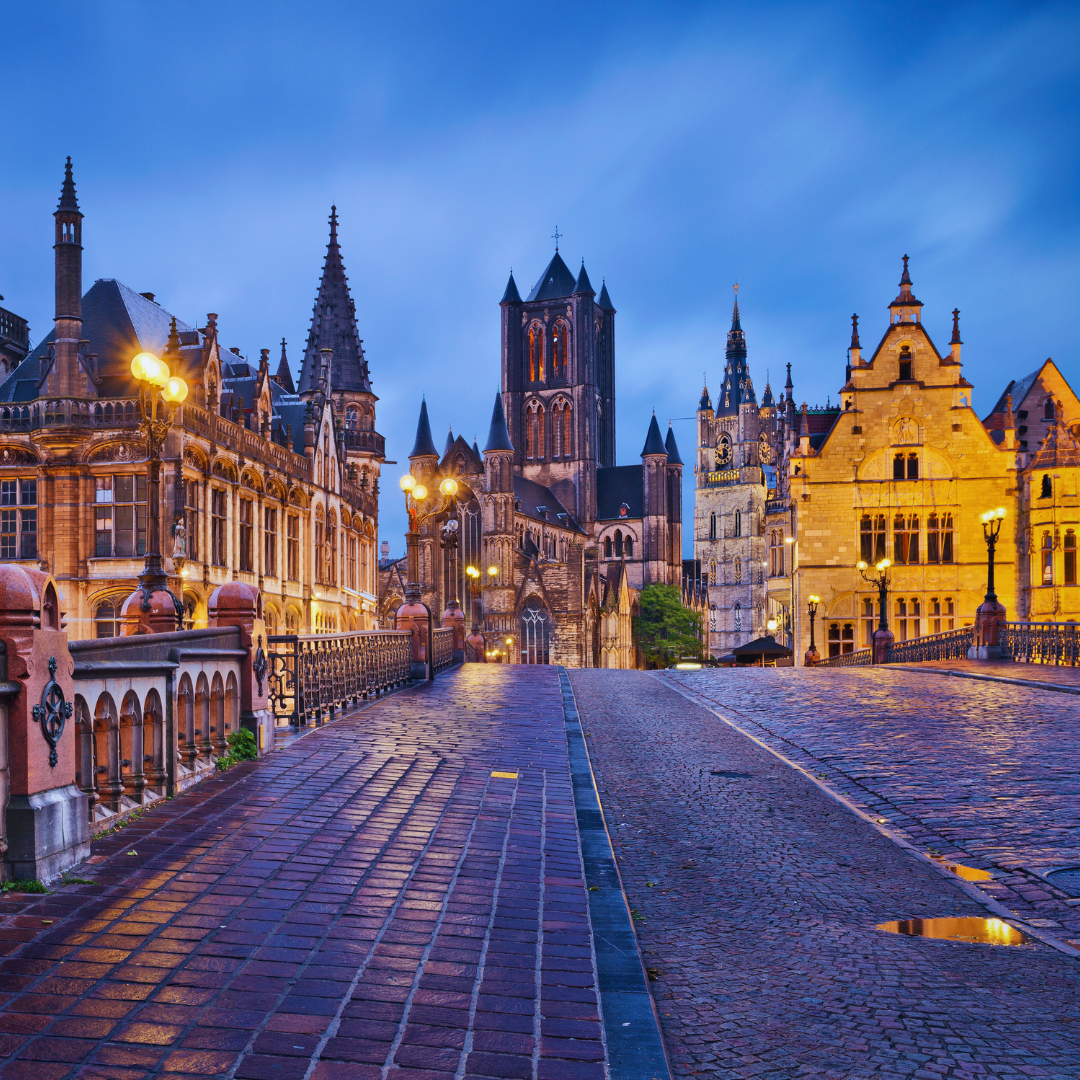

Travelers often overlook smaller or less famous cities when seeking authentic cultural experiences. These places offer rich traditions, local customs, and unique histories without the high tourist traffic found in major destinations. The most underrated cities for cultural immersion combine genuine local life with accessible, diverse cultural expressions.
Instead of crowded landmarks, these cities provide everyday interactions that reveal a region’s true character. Visitors can explore vibrant markets, traditional festivals, and community-centered art scenes. This approach allows for a deeper connection to the culture beyond standard sightseeing.
Recognizing these hidden gems can transform a trip into a meaningful exploration. By focusing on lesser-known cities, travelers gain fresh perspectives and a more intimate understanding of the world’s cultural richness.
Why Choose Underrated Cities for Cultural Immersion
Underrated cities offer a distinctive chance for deep cultural engagement that more popular destinations often lack. Travelers can find authentic interactions, cost advantages, and meaningful connections that enrich the travel experience.
Authentic Local Experiences
In underrated cities, the culture remains largely unaffected by mass tourism. This means visitors encounter genuine traditions, customs, and daily life rather than staged or commercialized activities.
Locals are often more open and willing to share their stories and lifestyles in these cities. This openness leads to experiences such as participating in traditional festivals, dining in family-run eateries, or exploring local markets where products reflect true regional heritage.
These cities provide a front-row seat to authentic cultural practices that might have disappeared or been altered in more famous urban centers. As a result, cultural immersion feels more natural and relatable.
Fewer Crowds and Better Value
Unlike major tourist hubs, underrated cities do not attract overwhelming numbers of visitors. This reduced crowd density allows for a more relaxed and intimate exploration of cultural sites and neighborhoods.
Lower tourist traffic often translates into better prices for accommodations, food, and activities. Travelers can enjoy high-quality experiences without the premium costs commonly found in popular destinations.
The quiet streets and uncrowded museums create an atmosphere where visitors can engage thoughtfully with local culture, making these cities ideal for those seeking a less commercialized travel experience.
Unique Stories and Connections
Underrated cities often have unique historical and cultural narratives that are overlooked by mainstream tourism. Discovering these stories can provide fresh insights and deepen understanding beyond typical travel itineraries.
Travelers in these cities are more likely to build genuine relationships with residents. Interactions happen in everyday settings rather than tourist zones, allowing for meaningful exchanges and personal connections.
These experiences contribute to a bucket list that goes beyond famous landmarks, adding depth through encounters with people whose lives and histories shape the city’s identity.
Exceptional Underrated Cities for Cultural Experiences
These cities provide deep cultural immersion through their unique history, local art scenes, and distinct culinary traditions. Each location offers a rich experience without the crowds typical of more popular destinations.
Ghent: Belgium’s Medieval Marvel
Ghent stands out for its well-preserved medieval architecture combined with a vibrant contemporary cultural scene. The Gravensteen Castle, dating back to the 12th century, anchors the city’s historical appeal. Visitors can explore its museums, canals, and Gothic churches.
The city hosts several annual festivals, such as the Gentse Feesten, drawing locals and tourists to traditional music, theater, and food markets. Ghent also champions sustainability and local gastronomy, with many restaurants focusing on farm-to-table dining. Despite being tourist-friendly, it remains less crowded than nearby Bruges, offering a more authentic Belgian experience.
Oaxaca: Mexico’s Culinary and Artistic Center
Oaxaca is a UNESCO World Heritage site known for its rich indigenous culture and vibrant culinary traditions. Its markets brim with locally made crafts like alebrijes and textiles, providing insight into Zapotec and Mixtec heritage. The city is famous for its mole sauces, which come in various regional recipes.
Art lovers find attractions in numerous galleries and workshops, where traditional and contemporary art coexist. The annual Guelaguetza festival presents an immersive experience through regional dance, music, and costumes. Oaxaca’s blend of pre-Hispanic roots and colonial architecture makes it an ideal destination for cultural immersion.
Ljubljana: The Heart of Slovenian Culture
Ljubljana mixes Baroque and modernist architecture, reflecting Slovenia’s evolving identity. The city’s compact size makes its museums, galleries, and historic sites easily accessible. The Ljubljana Castle overlooks the city and offers panoramic views alongside a history museum.
Cultural life thrives with theater, music, and frequent outdoor events along the Ljubljanica River. Ljubljana’s green spaces and emphasis on sustainable living are notable. The local food scene highlights Slovenian traditions while embracing innovative culinary concepts, helping visitors understand Slovenian culture beyond the typical tourist routes.
Tbilisi: Georgia’s Historic Gateway
Tbilisi balances ancient history with rapid modernization in its urban fabric. The old town features narrow alleys and sulfur baths, showcasing its multicultural past. It serves as a gateway for exploring Georgia’s diverse cultural heritage.
Visitors can discover traditional Georgian music and dance performances, alongside tasting unique dishes such as khachapuri and pkhali. The city’s architecture ranges from medieval churches to Soviet-era buildings and contemporary designs. Tbilisi’s role as a crossroads between Europe and Asia is palpable in its lively markets and art spaces.
Hidden Urban Gems Around the World
These cities offer rich cultural experiences rooted in history, innovation, and local traditions. Visitors can explore diverse art scenes, heritage sites, and community-driven projects that reveal authentic urban life beyond typical tourist routes.
Luang Prabang: Heritage in Laos
Luang Prabang, located in northern Laos, is renowned for its well-preserved architecture and spiritual culture. Its blend of traditional Lao wooden houses and French colonial buildings creates a unique townscape.
The city is a Buddhist center with over 30 temples, including the iconic Wat Xieng Thong. Visitors witness daily monk alms-giving ceremonies, a profound local ritual. Luang Prabang also offers night markets featuring handicrafts and Lao cuisine, ideal for immersion in daily life.
Beyond the town center, the nearby Kuang Si Falls and Pak Ou Caves connect nature with history. These sites reveal Laos’s deep attachment to natural and spiritual heritage valuable to cultural travelers.
Medellín: Colombia’s Innovative Hub
Medellín has shifted from a troubled past to become a symbol of urban innovation. Known for its electric escalators in Comuna 13, it improves accessibility to hillside communities.
The city’s transformation is evident in public libraries, outdoor art, and street murals depicting social history. Medellín’s annual Flower Festival highlights Colombian culture with parades and traditional music.
Innovation and culture merge at Ruta N, a technology and entrepreneurship center fostering creative industries. This blend of resilience and modernity offers visitors insight into Colombia’s evolving social fabric.
Plovdiv: Bulgaria’s Oldest City
Plovdiv is one of Europe’s oldest continuously inhabited cities, with layers of Thracian, Roman, and Ottoman history. Its Roman theater is a key site still used for performances.
The Old Town features colorful Revival-period houses and cobblestone streets. Plovdiv’s Kapana district is a creative hub, filled with galleries, crafts shops, and cafes.
The city was a European Capital of Culture in 2019, leading to renewed interest in its heritage and contemporary art scenes. It balances history with vibrant urban life, ideal for cultural exploration.
Kaohsiung: Taiwan’s Creative Port
Kaohsiung, Taiwan’s major southern port, has rapidly developed into a center of arts and culture. Former industrial areas like Pier-2 Art Center now host contemporary installations and exhibitions.
The city’s night markets and street food offer authentic Taiwanese flavors tied to local communities. Climate-conscious urban projects and floral festivals highlight a commitment to sustainability.
Kaohsiung blends traditional Taiwanese and indigenous influences with modern creativity. This mix attracts visitors seeking nuanced cultural experiences beyond Taiwan’s typical tourist hubs.
Specialty Cultural Activities and Local Delights
Many underrated cities provide unique opportunities to engage with local flavors and experiences. Visitors often find authentic culinary traditions alongside natural attractions that offer relaxation and exploration in equal measure.
Wine, Cuisine, and Culinary Traditions
In some lesser-known Italian cities, traditional Italian cuisine is deeply rooted in family recipes and local ingredients. Visitors can savor handmade pasta, truffles, and regional cheeses often absent from more tourist-heavy locations.
Port wine, while famously linked to Porto in Portugal, influences culinary pairings across Europe’s wine regions. Certain cities integrate port in their cuisine, using it for sauces or desserts, which adds a distinct sweetness to the local palette.
Diners can expect intimate cooking classes or market tours that introduce them to authentic preparations of Italian sausages, risottos, and fresh seafood. These experiences highlight cultural immersion through food beyond standard restaurant menus.
Hot Springs and Natural Wonders
Some Nordic cities in Norway offer access to natural hot springs located in scenic settings far from typical urban centers. These hot springs serve as essential cultural spots where locals gather for relaxation and social ritual.
Beyond bathing, many of these sites combine wellness with nature trails, allowing visitors to explore fjords, waterfalls, and mountainous landscapes. The natural thermal waters contrast sharply with cold-weather activities, creating a year-round attraction.
Engaging with these hot springs connects travelers to traditional customs of health and community. These experiences often include guided tours explaining local geology and the historical importance of thermal baths in Norwegian culture.