

Travelers seeking an adrenaline rush often look for activities that push their limits and spark excitement. These experiences range from extreme sports to daring outdoor adventures, offering a unique way to explore new destinations. The top adrenaline-pumping activities for travelers include skydiving, white-water rafting, bungee jumping, and rock climbing.
Each activity challenges participants in different ways, whether it’s confronting fear of heights or navigating rapid currents. These adventures not only provide thrill but also create lasting memories and a deeper connection to the places visited.
Selecting the right activity depends on personal preferences and physical ability, but the common factor is the intense excitement they deliver. This guide highlights the most popular options for travelers ready to add some adrenaline to their journeys.
Iconic Adrenaline-Pumping Adventure Sports
These adrenaline sports offer unique and intense experiences that push physical and mental limits. Each activity demands bravery, skill, and often specialized equipment or guidance to ensure safety.
Skydiving and Free Fall
Skydiving involves jumping from an aircraft and experiencing free fall before deploying a parachute. The sensation of falling at speeds around 120 mph for nearly a minute captivates thrill-seekers worldwide.
Popular locations include the Swiss Alps, where jumpers enjoy breathtaking alpine views while descending. Tandem jumps allow beginners to experience skydiving with an experienced instructor, making it accessible and safe.
This sport requires rigorous safety checks and training. It offers a mix of adrenaline and serenity as jumpers float to the ground after the intense free-fall phase.
Bungee Jumping Experiences
Bungee jumping consists of leaping from a high platform while connected to an elastic cord. The rebound motion creates a powerful surge of adrenaline and a brief sensation of weightlessness.
The Victoria Falls Bridge in Zambia and Zimbabwe is a famous bungee spot. The jump plunges over 111 meters (364 feet) above the Zambezi River, combining thrill with spectacular natural surroundings.
Participants should consider the physics of bounce height, cord elasticity, and their own health conditions before attempting a jump. Proper equipment and experienced operators are essential for safety.
Wingsuit Base Jumping
Wingsuit base jumping combines wingsuit flight and base jumping from fixed points such as cliffs or bridges. Jumpers wear specialized suits with fabric wings between limbs to glide horizontally before deploying a parachute.
This sport demands advanced skydiving skills due to the risks and precise control needed in tight spaces. Locations like the Swiss Alps offer varied terrain and vertical drop, perfect for expert participants.
The thrill lies in extended flight time at high speeds, with altitudes often starting from several thousand feet. Wingsuit base jumping requires intense preparation and adherence to safety protocols.
Extreme Water and Aerial Activities
These activities combine physical challenge with thrilling environments. Each requires specific skills and proper safety gear to ensure a rewarding experience.
Whitewater Rafting Challenges
Whitewater rafting tests teamwork and nerve as participants navigate rapid river currents. Popular locations like the Grand Canyon offer intense Class IV and V rapids, demanding precise paddling and quick decisions.
Rafting trips vary from half-day excursions to multi-day adventures. Guides provide essential safety instructions and help manage the raft through turbulent waters. Proper equipment includes helmets, life jackets, and wetsuits.
The fast-moving water, rocks, and sudden drops create a high-adrenaline environment. This activity suits those seeking a mix of physical exertion and nature’s raw power.
Cage Diving with Sharks
Cage diving involves descending in a secure metal cage submerged in shark-infested waters. South Africa’s coast and Australia’s Neptune Islands stand out as spots to see great white sharks up close.
Divers remain protected while observing sharks’ behavior from inches away. The activity requires no prior diving experience in many cases, as the cage stays near the surface.
Operators follow strict safety protocols to minimize risks. Witnessing these predators in their natural habitat offers a unique thrill combined with education about shark conservation.
Scuba Diving Adventures
Scuba diving opens underwater worlds filled with diverse marine life and landscapes. Popular sites near the Victoria Falls Bridge include the Zambezi River, offering different diving experiences in freshwater environments.
Certified divers explore coral reefs, shipwrecks, or underwater caves, depending on location. Essential skills include buoyancy control and proper use of diving gear such as regulators and tanks.
Diving ranges from calm, shallow waters ideal for beginners to deep, challenging dives requiring advanced training. This structured adventure demands respect for safety rules and marine ecology.
Thrilling Land and Mountain Adventures
These activities combine physical endurance with adrenaline-filled challenges in some of the world’s most dramatic landscapes. They demand skill, preparation, and the right equipment for safety and success in harsh environments.
Heli-Skiing and Ice Climbing
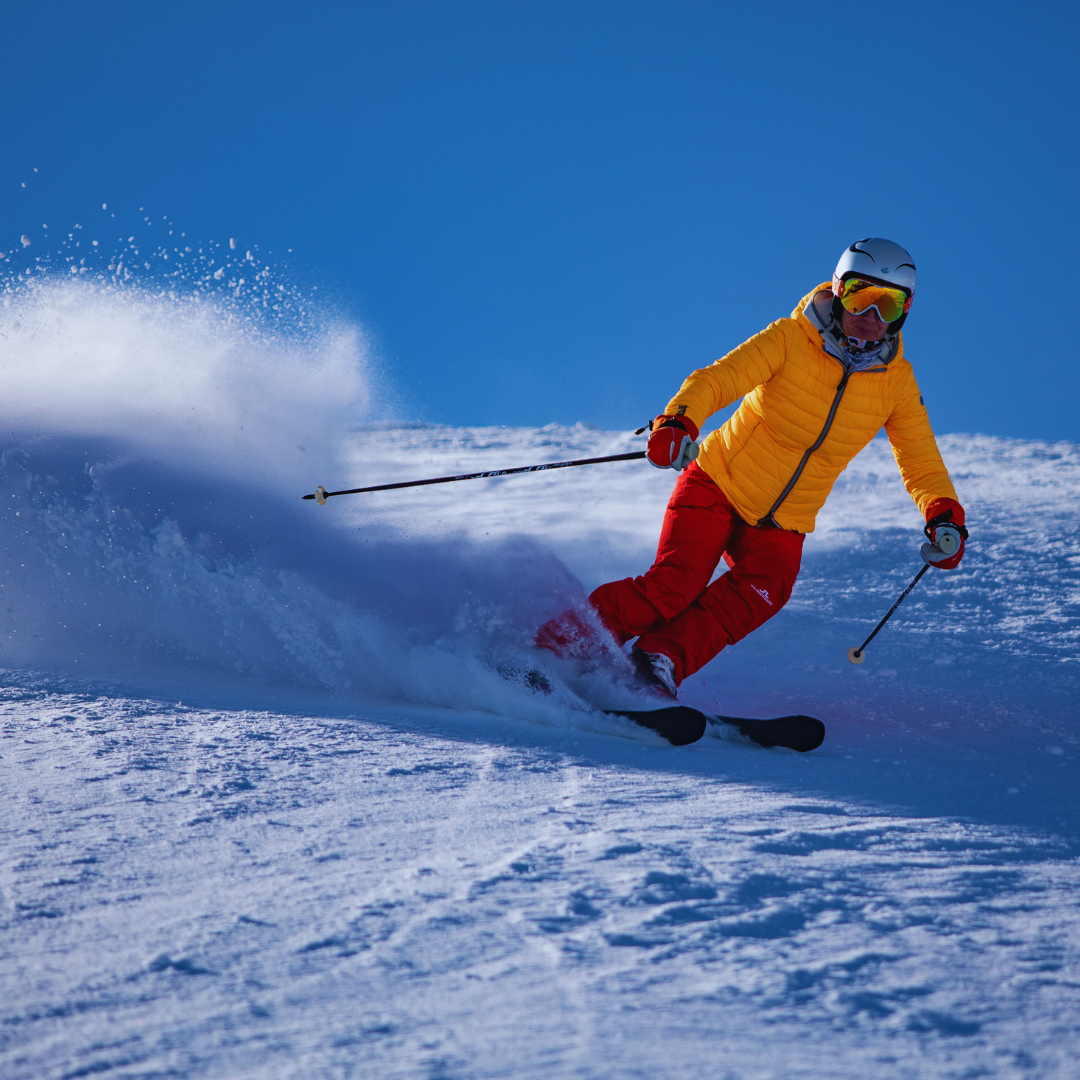
Heli-skiing takes skiers to untouched powder in remote mountain zones, usually via helicopter. The Swiss Alps are a prime location, offering steep descents and deep snow beyond traditional ski lifts. It requires advanced skill due to natural hazards and variable snow conditions.
Ice climbing involves ascending frozen waterfalls or ice-covered rock faces using picks and crampons. This sport tests strength and precision. Climbers often tackle routes in alpine regions, including the Swiss Alps, where ice formations vary by season. Proper gear and guidance from experts are crucial.
Rock Climbing Escapades
Rock climbing challenges travelers with vertical and overhanging rock faces. Locations with diverse routes include cliffs in the Alps and other mountain ranges. Climbers use ropes, harnesses, and technical gear to ascend safely.
The activity ranges from traditional climbing, relying on natural holds, to sport climbing with fixed anchors. It demands mental focus and physical conditioning. New climbers should seek instruction before attempting difficult routes.
Canyoning and Extreme Hiking
Canyoning involves descending narrow canyons using jumps, slides, rappelling, and swimming through streams. This mix of hiking and climbing tests agility and control in wet, rugged terrain.
Extreme hiking includes long, strenuous treks often through alpine environments. Trails in the Swiss Alps offer steep ascents and variable weather conditions. Hikers must prepare for altitude, rapidly changing weather, and physical challenges. Proper equipment and fitness levels are essential for safety.
Unique and Unforgettable Experiences for Thrill Seekers
Thrill seekers often look for activities that combine danger, skill, and unique settings. These experiences stand out because they challenge both physical limits and mental focus in extraordinary ways.
Paragliding and Gliding
Paragliding offers travelers the chance to soar quietly over stunning landscapes, using a lightweight, free-flying, foot-launched glider. Locations like the French Alps and coastal cliffs in California attract many adventurers. The appeal lies in the smooth and sustained flight combined with panoramic views.
Gliding, in contrast, uses larger, engineless aircraft that can stay aloft for hours by exploiting thermal currents. Popular sites include Germany’s Black Forest and various clubs near Fuji-Q Highland in Japan. Both activities require training and provide an unmatched feeling of freedom.
Volcano Boarding
Volcano boarding is an extreme sport where participants slide down the slopes of active or dormant volcanoes on specially designed boards. Cerro Negro in Nicaragua is known as a prime location. Riders typically wear protective gear due to volcanic rock terrain.
The descent can reach speeds up to 50 mph. It combines speed and the unusual setting of volcanic ash, offering an adrenaline burst not found in traditional sledding or snowboarding. Proper guidance and safety checks are mandatory.
Big Wave Surfing
Big wave surfing challenges the best surfers to ride waves over 20 feet high. Locations such as Hawaii’s Oahu North Shore and Mavericks in California are iconic for this activity. It requires advanced skills, physical strength, and mental readiness.
These waves form under very specific ocean and weather conditions, making the experience both rare and dangerous. Safety teams and specialized equipment like jet skis assist surfers in mounting and escaping these massive waves.
Pamplona’s Running of the Bulls
The annual festival in Pamplona, Spain, features the Running of the Bulls, where participants sprint ahead of a group of bulls through narrow city streets. It is held during the San Fermín festival every July and attracts thrill seekers worldwide.
The event demands quick reflexes, courage, and knowledge of the route. Injuries are possible, and participants must be physically prepared. It offers a unique cultural immersion alongside its adrenaline-fueled chase.