
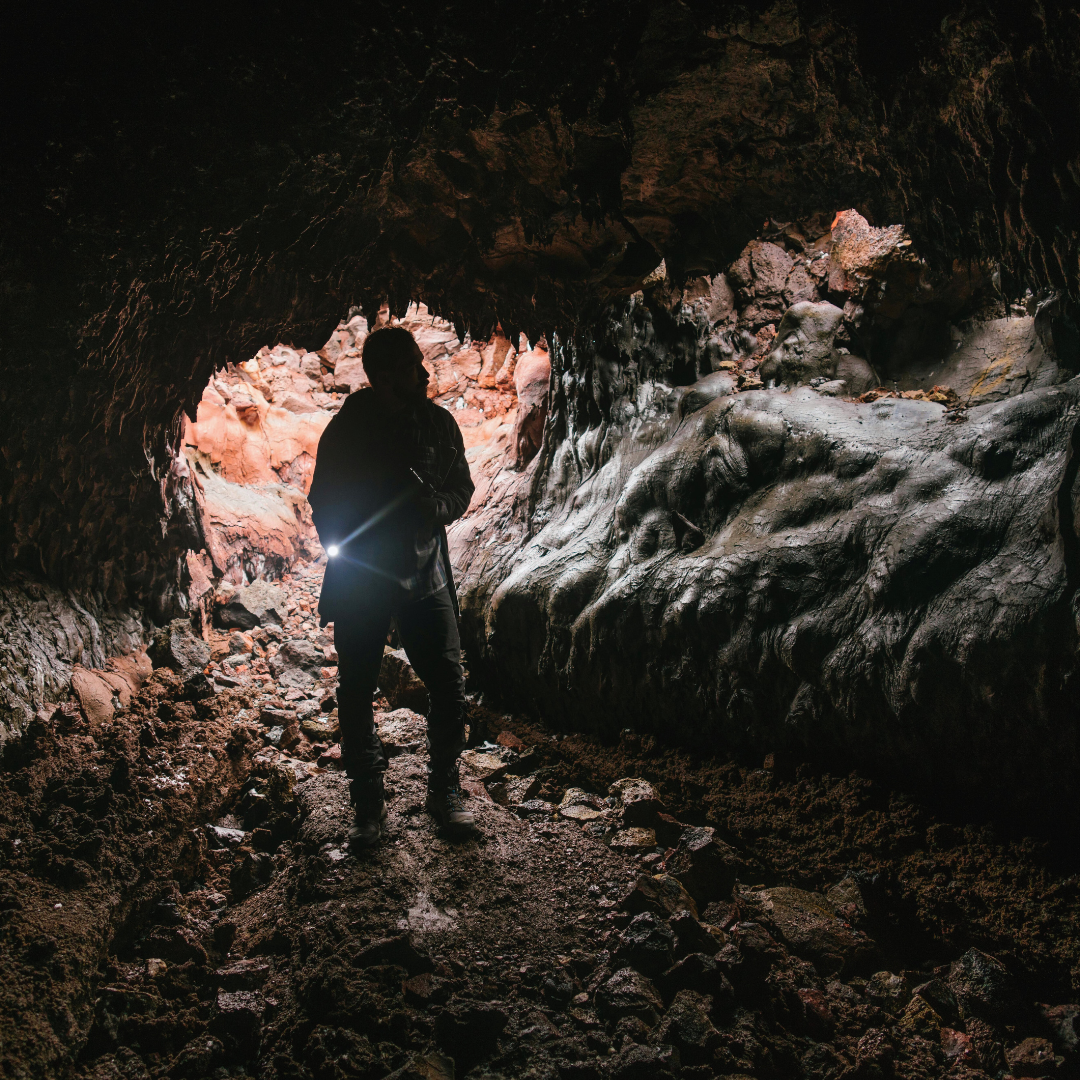

Exploring underground caves requires careful preparation and respect for the environment. Knowing how to navigate tight passages, how to stay safe, and what equipment to bring makes the experience both rewarding and secure. The most important tip is to always carry reliable lighting and backup sources to avoid becoming disoriented in the dark.
Cave conditions can be unpredictable, so understanding basic safety skills and how to move efficiently inside can prevent accidents. People who take the time to learn proper techniques often enjoy their explorations without unnecessary risks.
Whether exploring for adventure or study, having a clear plan and the right gear improves the experience. Proper preparation allows explorers to focus on the unique beauty and quiet of the underground world.
Essential Preparation for Underground Cave Exploration
Preparing to explore underground caves involves understanding the cave environment, choosing the right equipment, and learning crucial safety practices. These steps ensure explorers navigate caves confidently and minimize risks related to cave features and conditions.
Researching Caves and Local Geology
Before entering any cave, thorough research on the specific cave and local geology is critical. This includes studying cave maps, entry points, known hazards, and the presence of formations like stalactites and stalagmites.
Understanding the rock types and water presence helps anticipate slippery surfaces or fragile structures inside the cave. Awareness of cave ecology and regulations can prevent damaging sensitive formations and protect local wildlife.
Explorers should also learn about seasonal water flow changes that may affect cave accessibility and safety. Consulting local caving clubs or experts provides up-to-date information on new passages or recent cave conditions.
Selecting Appropriate Gear and Clothing
Proper gear is essential for safety and comfort in underground caves. A reliable helmet with a strong headlamp is mandatory to protect against low ceilings and darkness.
Clothing should be durable, breathable, and layered; caves often have constant cool temperatures and damp conditions. Waterproof boots with a good grip are necessary to handle wet, uneven surfaces.
Additional equipment like gloves, knee pads, and backup light sources improves protection and preparedness. Carrying emergency supplies such as a first aid kit, water, and food is advised for longer explorations.
Understanding Personal Safety Measures
Safety in cave exploration depends on knowledge and preparation. Explorers must inform a responsible person of their trip plans and expected return time.
Using the buddy system is critical; never enter caves alone. Communication devices designed for underground use can assist, but may have limited range.
Being aware of physical limits and avoiding risks like unstable passages or deep water is important. Training in basic first aid and cave navigation techniques enhances response to potential emergencies.
Techniques and Tips for Safe Cave Navigation
Cave explorers must prepare carefully to avoid getting lost and to safely handle the environment. Effective navigation depends on clear route marking, awareness of natural formations like stalactites and stalagmites, and adapting to uneven terrain.
Navigating Underground Passages
Navigating underground caves requires maintaining orientation without natural light. Explorers should use headlamps with backup batteries and carry a reliable map or use cave navigation apps designed for GPS-denied environments.
Moving slowly helps avoid accidents, especially near fragile formations like stalactites hanging from ceilings or stalagmites rising from the floor. Staying low in narrow passages reduces the risk of hitting these structures.
Using the right-hand rule—keeping the right hand on the wall—can help maintain a consistent path and prevent disorientation in complex mazes of tunnels.
Marking Your Route Effectively
Properly marking the route is crucial to prevent getting lost. Cave explorers should use biodegradable flagging tape or small glow sticks rather than permanent marks to avoid damaging the cave.
Markings should be placed at intersections and turns, clearly visible from several feet away. Using a system like arrows pointing towards the exit enhances clarity.
Recording turning points and distances in a notebook or digital device adds redundancy. This helps trace the path if markings fail or become obscured due to cave conditions.
Managing Challenging Terrain
Underground caves often feature uneven floors, slippery rocks, and tight squeezes around stalagmites and stalactites. Explorers should wear sturdy, waterproof boots with good grip.
Using trekking poles or cave prusiks can improve balance on slippery slopes or rocky steps. Moving deliberately reduces the chance of falls or damaging delicate formations.
In challenging sections, teamwork is essential. Communicating clearly and offering physical support helps all members navigate difficult spots safely and efficiently.
Discovering Unique Cave Features and Formations
Cave environments offer a range of distinctive natural features shaped by water, minerals, and time. Recognizing these features can enhance exploration by deepening understanding of the cave’s geological processes and natural history.
Identifying Stalactites and Stalagmites
Stalactites hang from cave ceilings as icicle-shaped mineral deposits formed by dripping water rich in calcium carbonate. They grow slowly, often only a few millimeters per year.
Stalagmites rise from cave floors, directly beneath stalactites in many cases, and are formed by mineral deposits left by dripping water. They tend to be thicker and more irregular than stalactites.
To differentiate, remember: stalactites “hold tight” to the ceiling, while stalagmites “might” reach up from the ground. Observing their shape, size, and location helps explore safely without damaging fragile formations.
Exploring Underground Rivers and Waterways
Underground rivers carve pathways through caves, sometimes creating passages for explorers or obstacles requiring navigation skills. Their currents vary widely depending on rainfall and cave layout.
These waterways transport sediments that continue shaping the cave, often making floors slippery or unstable. Wearing appropriate gear and understanding water flow is crucial for safe movement.
Mapping and following underground rivers can also help locate deeper cave sections or connect different cavern systems. Being alert to sudden water level rises avoids hazardous situations.
Appreciating Show Caves
Show caves are developed for public visits, featuring lighting, walkways, and guided tours that highlight significant formations like stalactites and stalagmites. They provide insight into cave geology with controlled access.
They allow visitors to see delicate features without damaging them, as paths minimize direct contact with fragile mineral deposits. Educational signage explains formation processes in accessible terms.
While exploring such caves, visitors should stay on paths and follow established rules to preserve the site. Show caves balance public interest and conservation, offering safe ways to appreciate underground wonders.
Notable Underground Cave Destinations
Some underground caves offer unique challenges, while others provide spectacular geological formations accessible to many visitors. Key destinations highlight the diversity of cave environments and the different experiences they offer to explorers.
Exploring Majlis al Jinn in Oman
Majlis al Jinn is one of the largest underground chambers in the world, located in Oman. It is renowned for its immense size, roughly 310 by 225 meters, with a ceiling height reaching up to 120 meters. The cave is mostly accessible only to experienced cavers due to its remote location and technical rigging requirements.
Visitors must arrange permits through the Omani authorities and are often accompanied by specialized guides. The cave features three large skylights providing natural light and ventilation, but remains a challenging environment due to its depth and scale. Proper preparation and safety gear are essential for any expedition to Majlis al Jinn.
Visiting Renowned Show Caves Worldwide
Show caves are developed for public visits with installed lighting and pathways. Examples include Mammoth Cave in the USA, the Eisriesenwelt Ice Cave in Austria, and the Postojna Cave in Slovenia. These caves provide safe and accessible underground experiences.
They often feature guided tours highlighting unique rock formations, fossils, and historical significance. Facilities such as visitor centers and educational exhibits are common. Show caves are suitable for beginners or families seeking to explore underground caves without technical skills.