
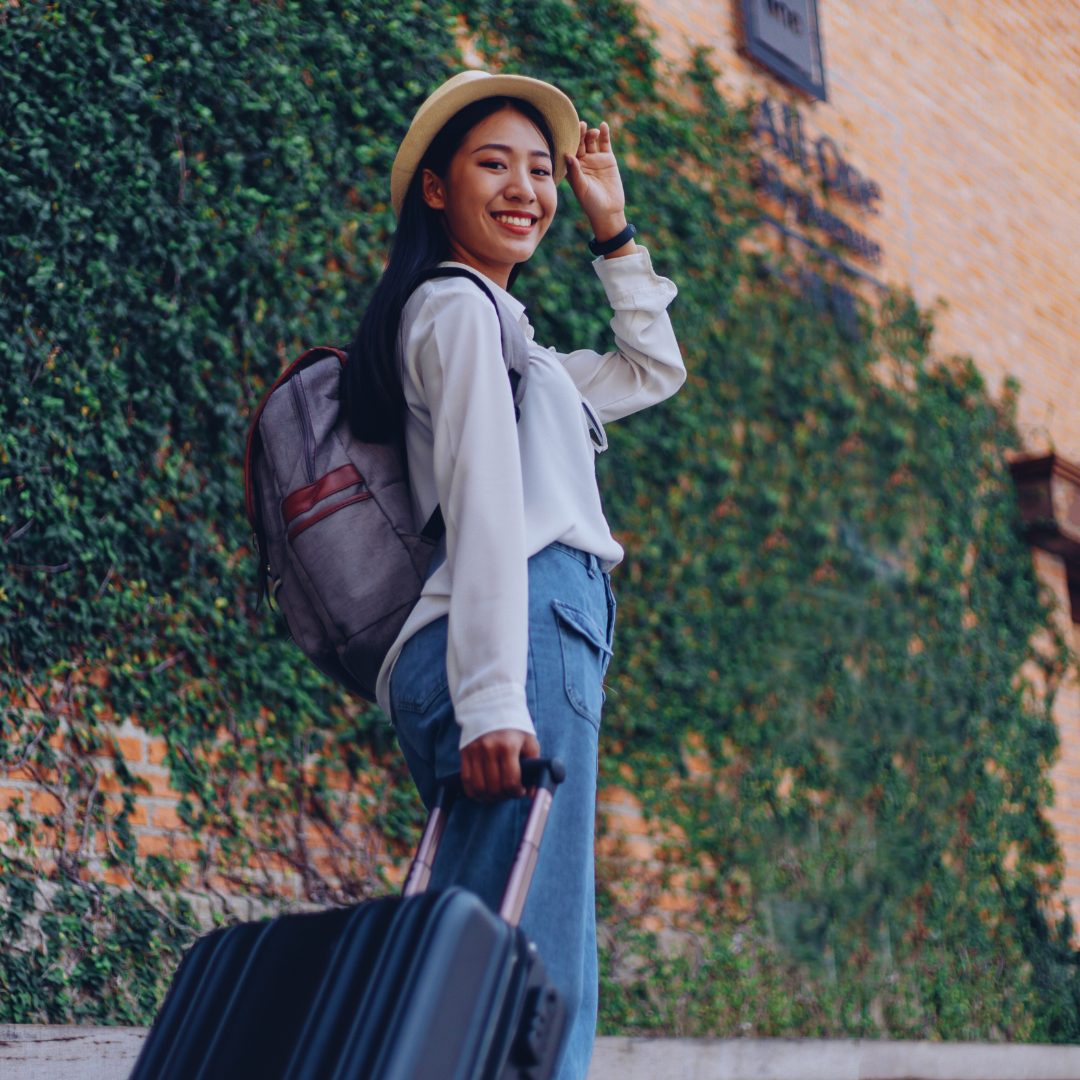

Solo travel encourages a shift in perspective by placing individuals in unfamiliar environments where self-reliance becomes essential. This experience breaks down preconceived notions and prompts deeper reflection on personal values and priorities.
It changes how people see the world and themselves by fostering independence, adaptability, and open-mindedness through firsthand experiences. Traveling alone removes the safety net of familiar company, pushing travelers to engage more genuinely with new cultures and challenge their assumptions.
As a result, solo travelers often return with greater confidence and a broader understanding of different ways of life, influencing how they approach daily challenges and long-term goals.
How Solo Travel Shifts Your Worldview
Solo travel forces individuals to navigate new challenges and environments on their own. This process fosters independence, pushes travelers beyond familiar limits, and deepens understanding through direct cultural encounters.
Embracing Independence
Traveling alone requires making decisions without relying on others. This builds confidence in problem-solving and self-reliance. Solo travelers learn to trust their judgment in unfamiliar situations, such as booking accommodations, managing finances, or navigating public transportation.
Independence gained during solo travel extends beyond logistics. It encourages personal growth by removing the safety net of familiar support systems. Individuals become more comfortable facing uncertainty, which can lead to greater resilience in daily life.
Challenging Comfort Zones
Solo travel often involves situations that push travelers outside their routines or norms. Encountering language barriers, unfamiliar social customs, or unexpected delays forces adaptation. This discomfort helps break down preconceived notions and encourages flexible thinking.
By stepping into new environments alone, travelers must confront fears like loneliness or vulnerability. Overcoming these challenges promotes emotional strength and the ability to handle diverse experiences. This shift in mindset often applies to broader aspects of life, encouraging openness to change.
Gaining New Perspectives Through Cultural Immersion
Cultural immersion during solo travel offers direct interaction with local traditions, languages, and lifestyles. Without companions to filter experiences, travelers engage more deeply and authentically with their surroundings. This firsthand exposure broadens understanding of global diversity.
Such immersion reveals complexities beyond stereotypes and media portrayals. Travelers gain insights into different values and daily realities through conversations, food, and customs. This expanded perspective challenges assumptions and fosters empathy toward others.
Personal Growth and Self-Discovery Through Traveling Alone
Traveling alone often leads to significant changes in how individuals see themselves and the world. It nurtures practical skills and emotional insights that build resilience and awareness in unfamiliar environments.
Building Confidence and Self-Reliance
When alone, a traveler must navigate new places, communicate with strangers, and make decisions without external support. This responsibility builds confidence by proving they can manage challenges independently.
Handling situations like missed trains, lost luggage, or language barriers enhances self-reliance. Each success reinforces the traveler’s belief in their abilities, encouraging a more proactive attitude toward both travel and life.
Confidence gained through solo travel often extends beyond the journey. It influences daily choices, helping the traveler approach obstacles with greater assurance and less hesitation.
Unlocking Creativity and Mindfulness
Solo travel creates space for reflection, allowing travelers to connect deeply with their surroundings. Without distractions, they notice details they might otherwise miss, stimulating creative thinking.
Mindfulness grows as travelers focus on present moments—whether observing new landscapes or engaging with local customs. This heightened awareness fosters original ideas and fresh perspectives.
Engaging with unfamiliar cultures often inspires creative problem-solving and adaptive thinking. Travelers may develop new hobbies, artistic expressions, or approaches to challenges based on their experiences.
Developing Problem-Solving Skills
Alone, travelers must quickly identify problems and devise practical solutions. This constant need for adaptability sharpens critical thinking and decision-making under pressure.
Common issues include navigating public transportation, managing budgets, and adjusting plans due to unforeseen events. Learning to troubleshoot fosters independence and an analytical mindset.
The skills gained help travelers handle ambiguity and uncertainty better. They become comfortable assessing risks and making informed decisions, strengthening both personal growth and self-discovery.
Connecting With Others and Building Relationships on a Solo Trip
Solo travel often pushes individuals to actively seek out new social connections and adapt to unfamiliar social environments. This process sharpens interpersonal skills, encourages openness, and creates meaningful encounters that differ from routine interactions.
Making New Friends
Solo travelers frequently find themselves initiating conversations in cafes, on tours, or in public spaces. They develop an ability to quickly gauge social cues and match their energy to potential friends. This natural openness helps break the ice and establishes trust.
Making new friends also involves shared experiences, such as exploring a city or trying local food together. These moments form strong, lasting bonds despite geographic distances. Travelers often maintain friendships long after the trip ends through social media or follow-up visits.
Navigating Social Interactions
Interacting with strangers on the road requires adaptability and respect for cultural differences. Solo travelers learn to adjust their tone, topics, and body language based on the context to avoid misunderstandings.
Clear communication and active listening are essential in these encounters. Solo travelers practice balancing honesty with politeness, which helps them build rapport and avoid conflict. They also become more confident in reading unspoken social signals.
The Role of Hostels in Meeting New People
Hostels serve as social hubs where solo travelers can easily meet individuals from diverse backgrounds. Common areas like kitchens, lounges, and organized events encourage casual and purposeful interactions.
Hostel stays often foster a sense of community through shared living spaces and group activities like city tours or game nights. These settings reduce social barriers and help travelers quickly integrate into a network of peers. Hostels also provide valuable local insights through staff and guest recommendations.
Designing Your Unique Adventures and Embracing Flexibility
Traveling solo lets individuals create personalized schedules and adjust plans based on their interests and circumstances. This freedom often leads to unexpected opportunities and deeper personal fulfillment.
Pursuing Spontaneous Experiences
Solo travelers can take advantage of spontaneous moments without needing to coordinate with others. They might decide on a whim to visit a local festival, join a hiking group, or explore an unplanned neighborhood.
This flexibility encourages embracing the unknown. For example, a last-minute train ride to a nearby town can reveal unique cultural insights inaccessible to more rigid itineraries.
Adapting plans on the fly fosters resilience and sharpens decision-making. These skills often impact a solo trip’s quality and build confidence for future adventures.
Enjoying Tailored Journeys Without Compromises
When traveling alone, every activity reflects personal preferences. A solo trip allows someone to spend hours at a museum or take long breaks at cafes, without negotiating schedules or interests.
This autonomy means the journey aligns closely with what the traveler values most. They can select accommodations, dining, and routes that match their comfort and curiosity precisely.
By eliminating compromises common in group travel, solo trips create deeply satisfying experiences. This direct control over the itinerary often changes how travelers see their own priorities and the world around them.